

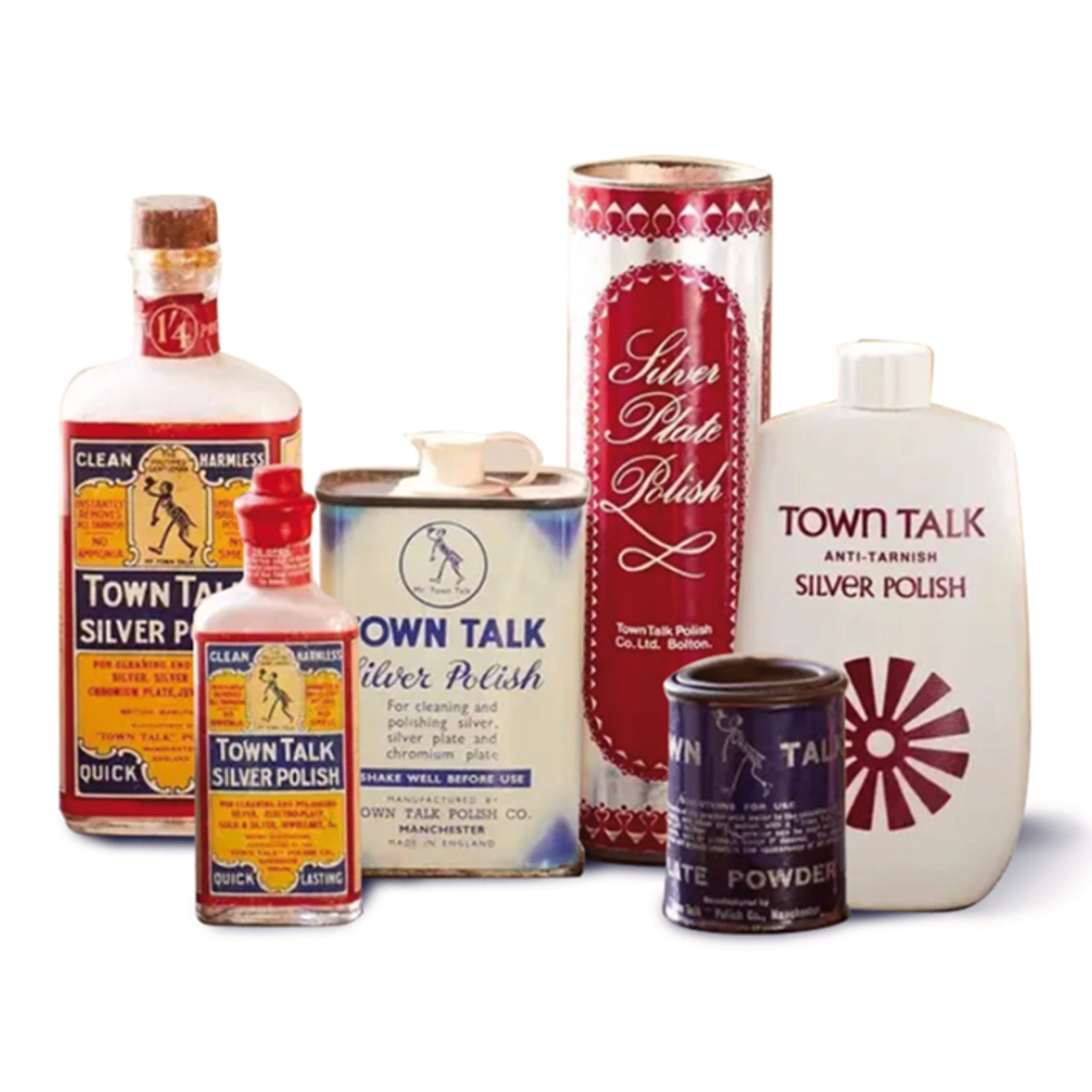
Products
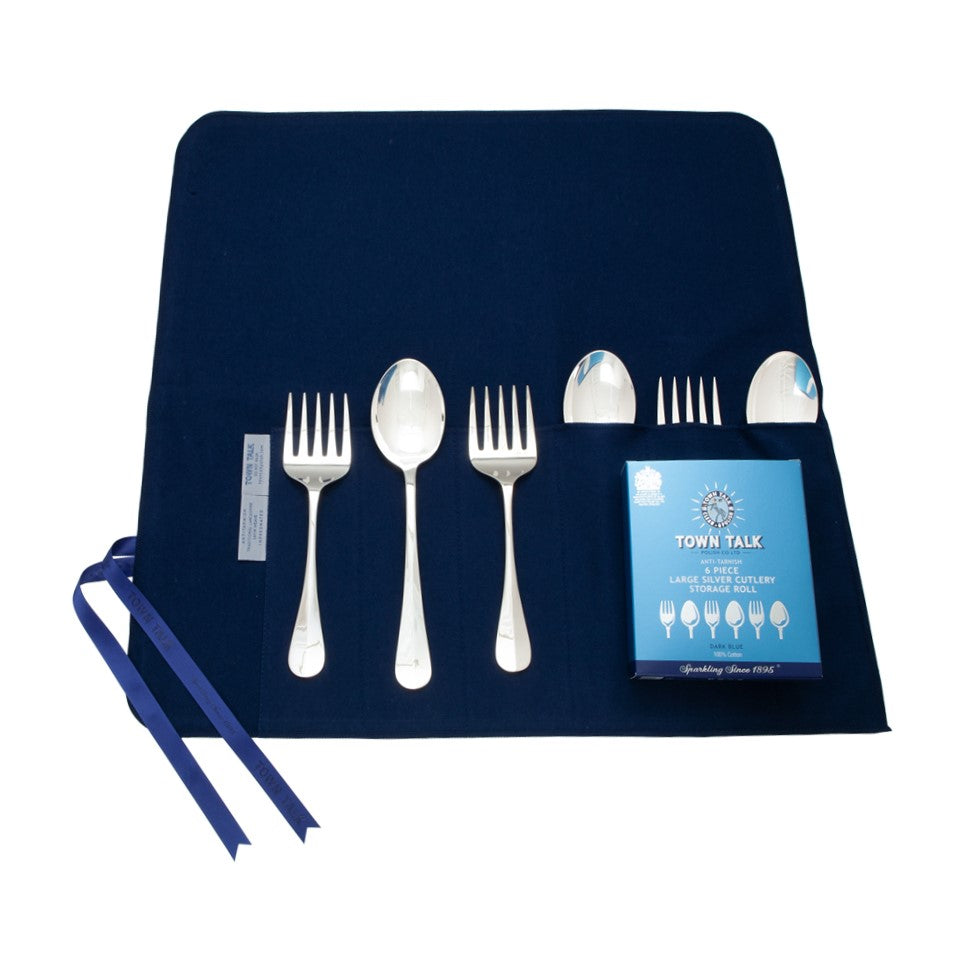
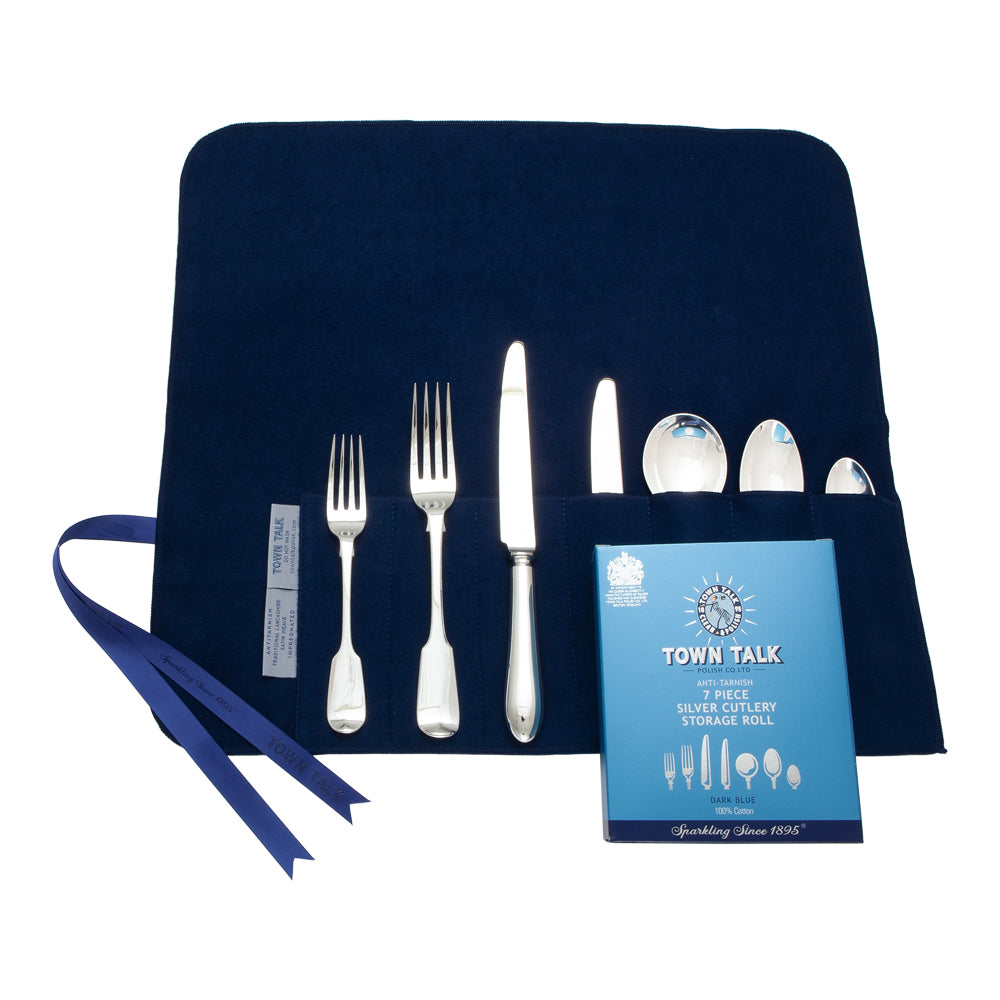
Anti Tarnish Silver Cutlery Storage Roll
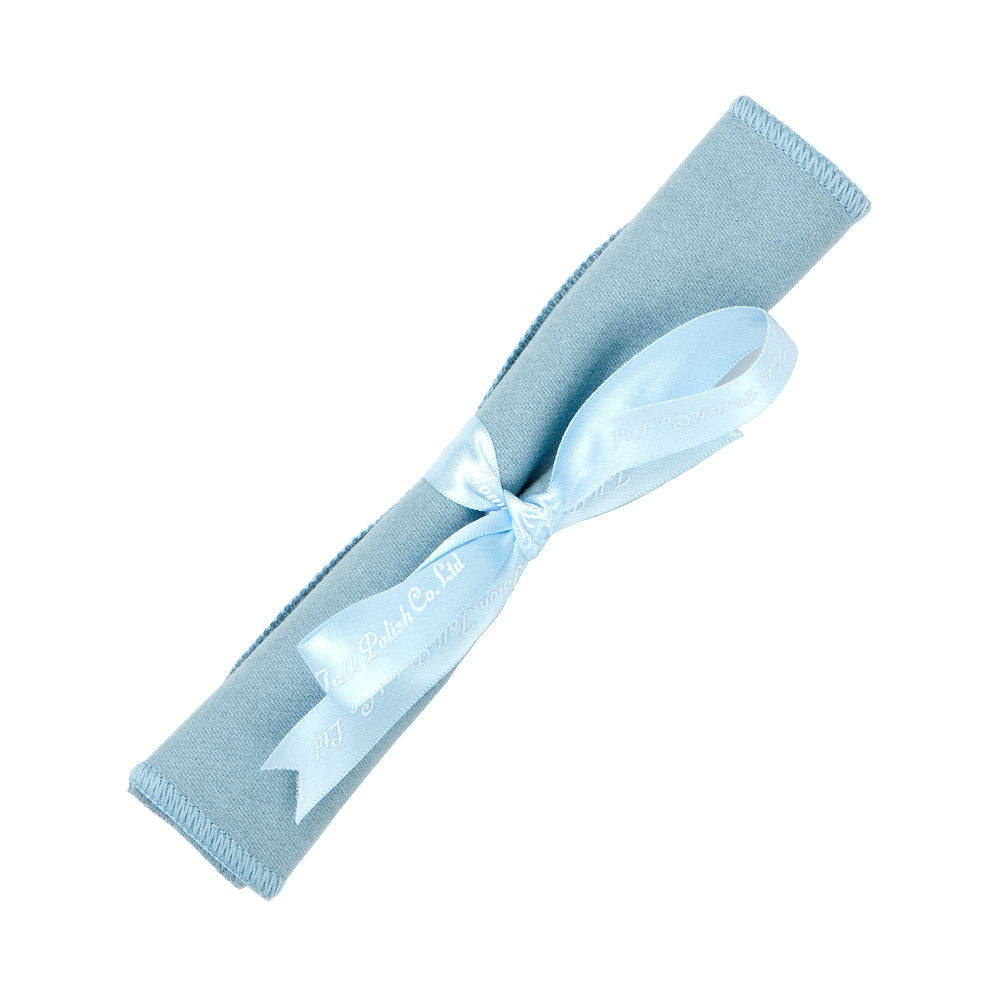
Anti-tarnish Pen Storage Roll


Anti-tarnish Silver Storage Strips Wallet
Anti-Tarnish Zipped Storage Bag
Brass & Copper Polish
Fine Fabric Wash
Floor Cleaner
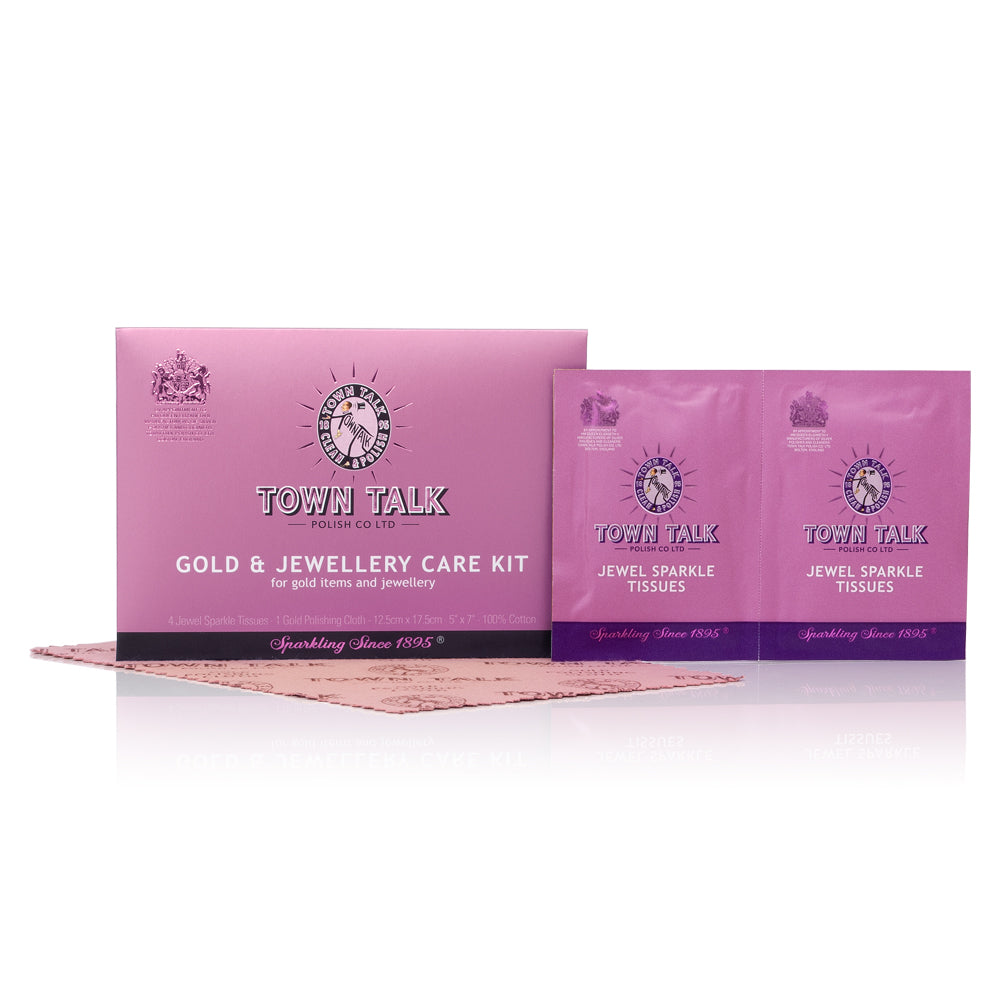
Gold and Jewellery Care Kit Wallet


Gold Polishing Cloths


Gold Polishing Mitts
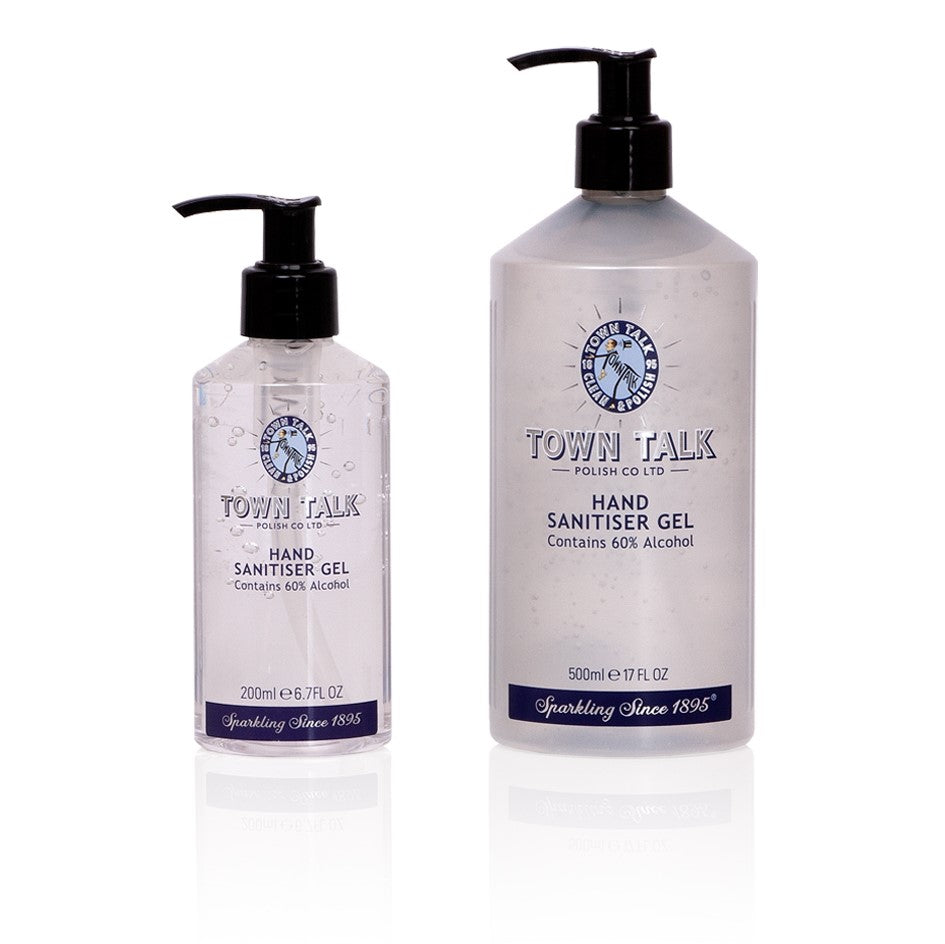
Hand Sanitiser Gel
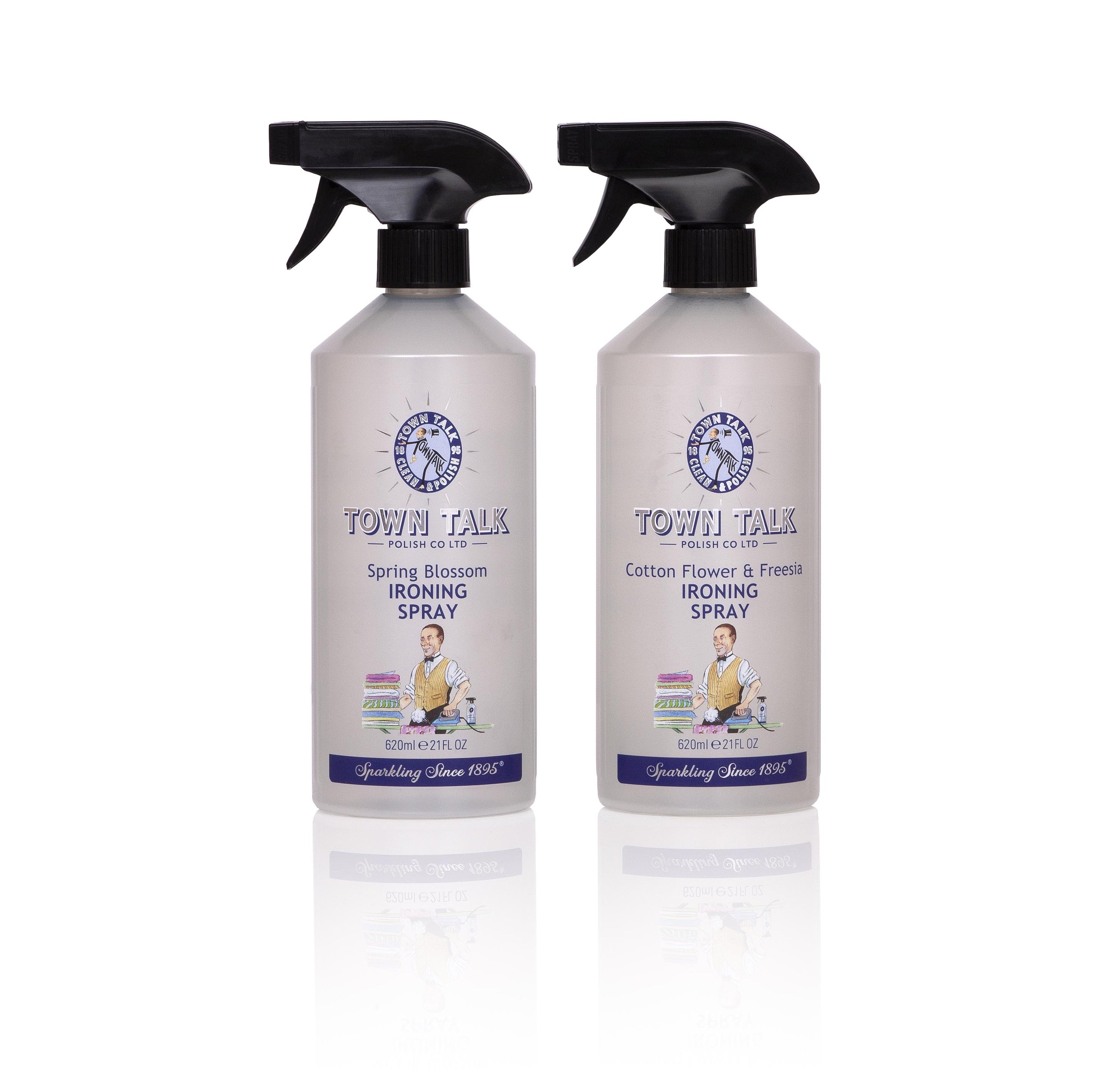
Ironing Spray
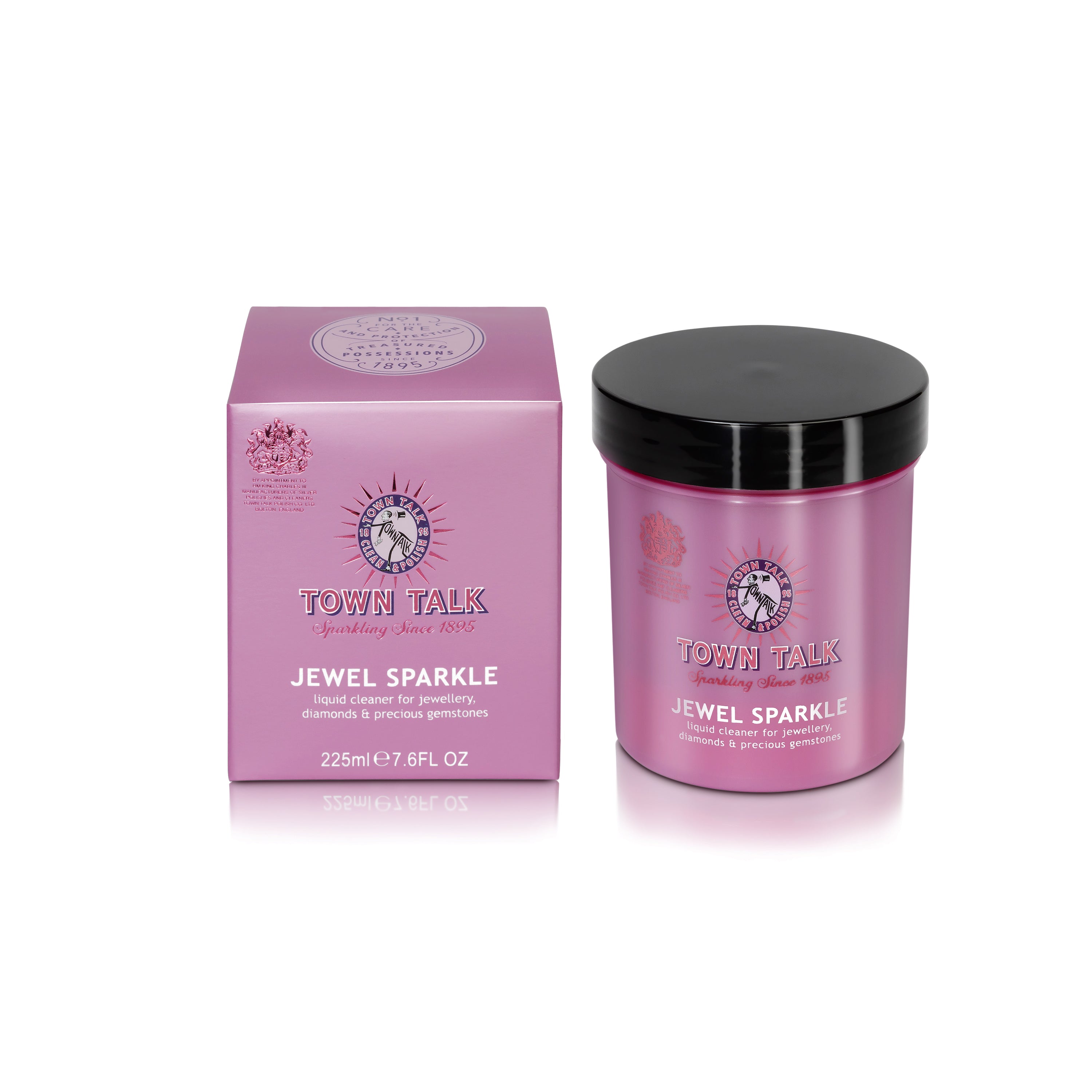
Jewel Sparkle
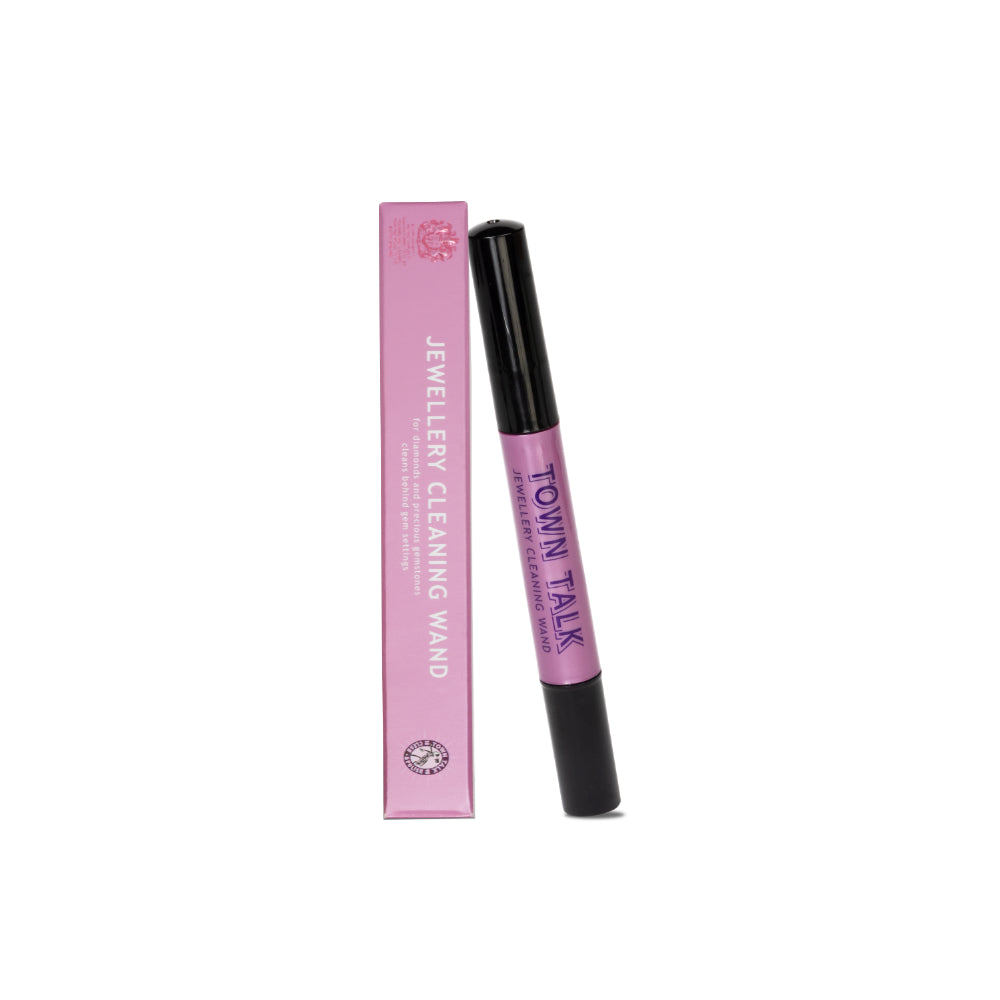
Jewellery Cleaning Wand
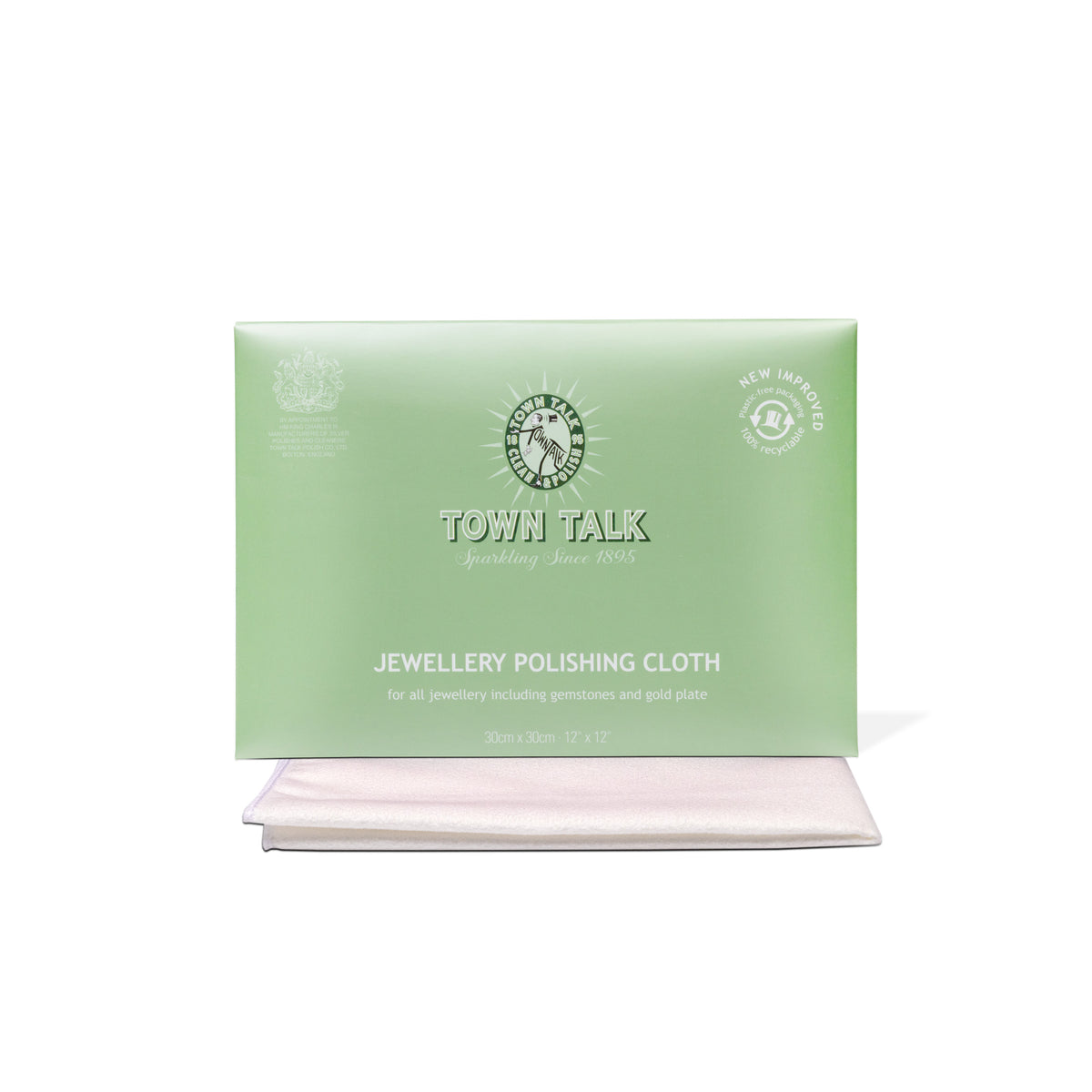
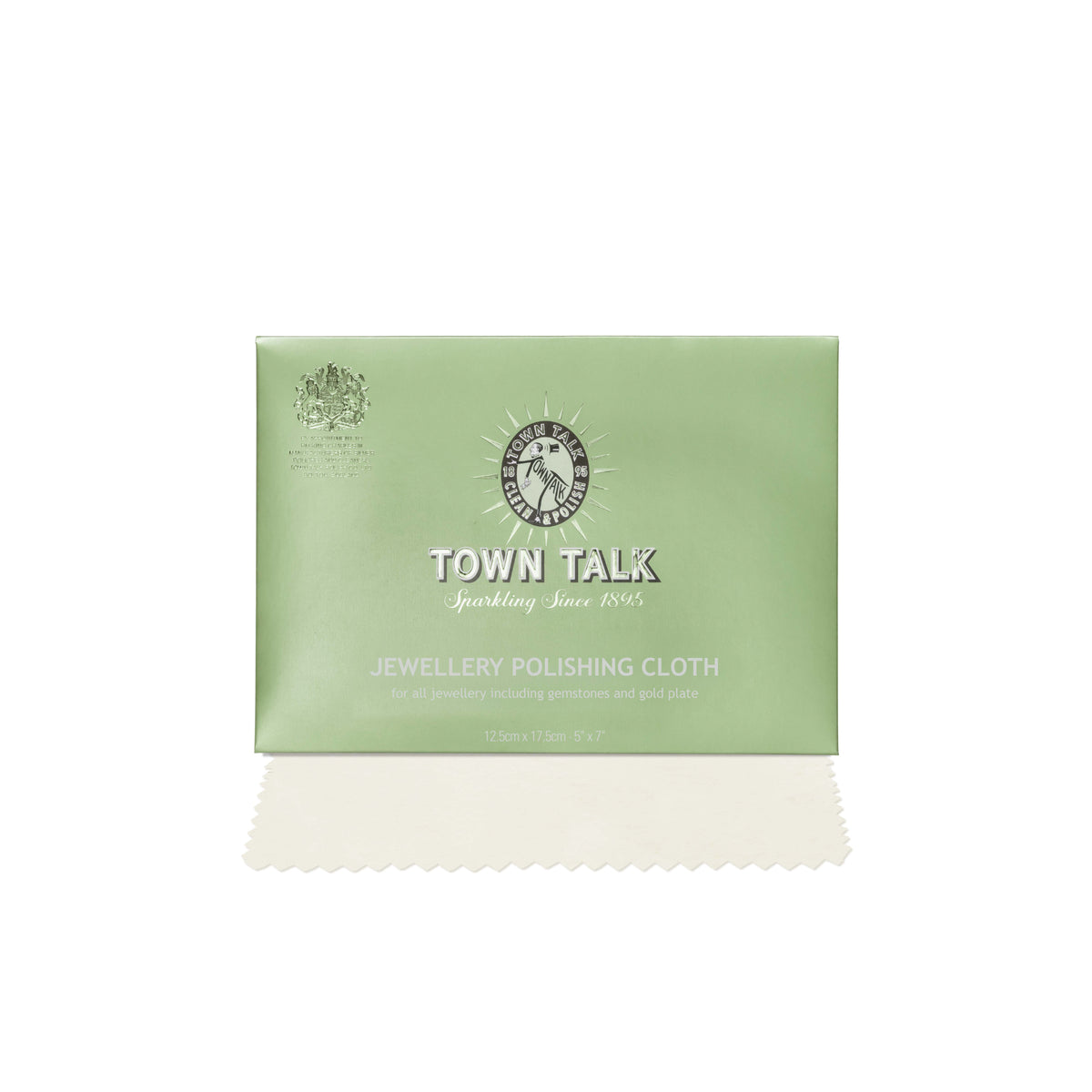
Jewellery Polishing Cloth
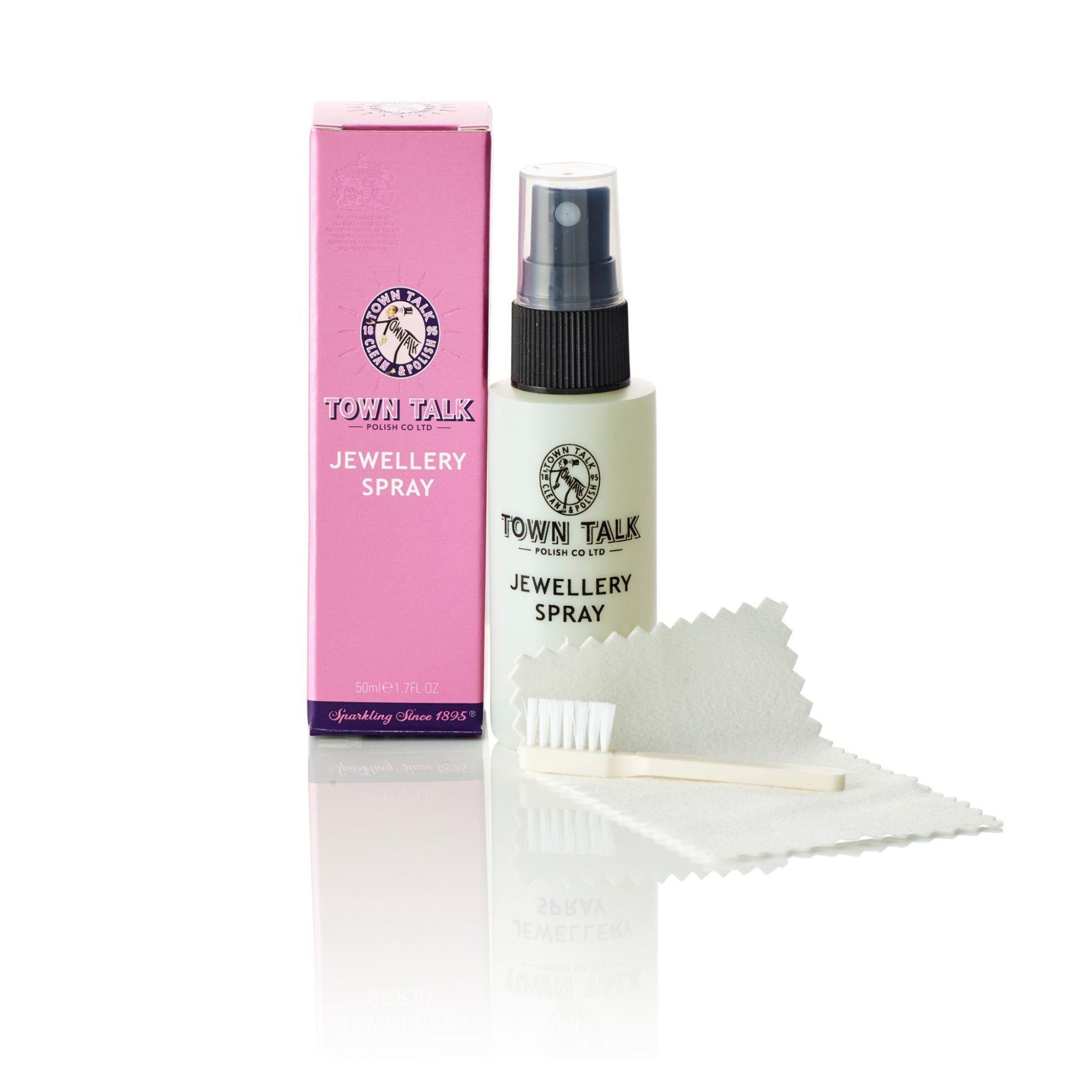
Jewellery Spray
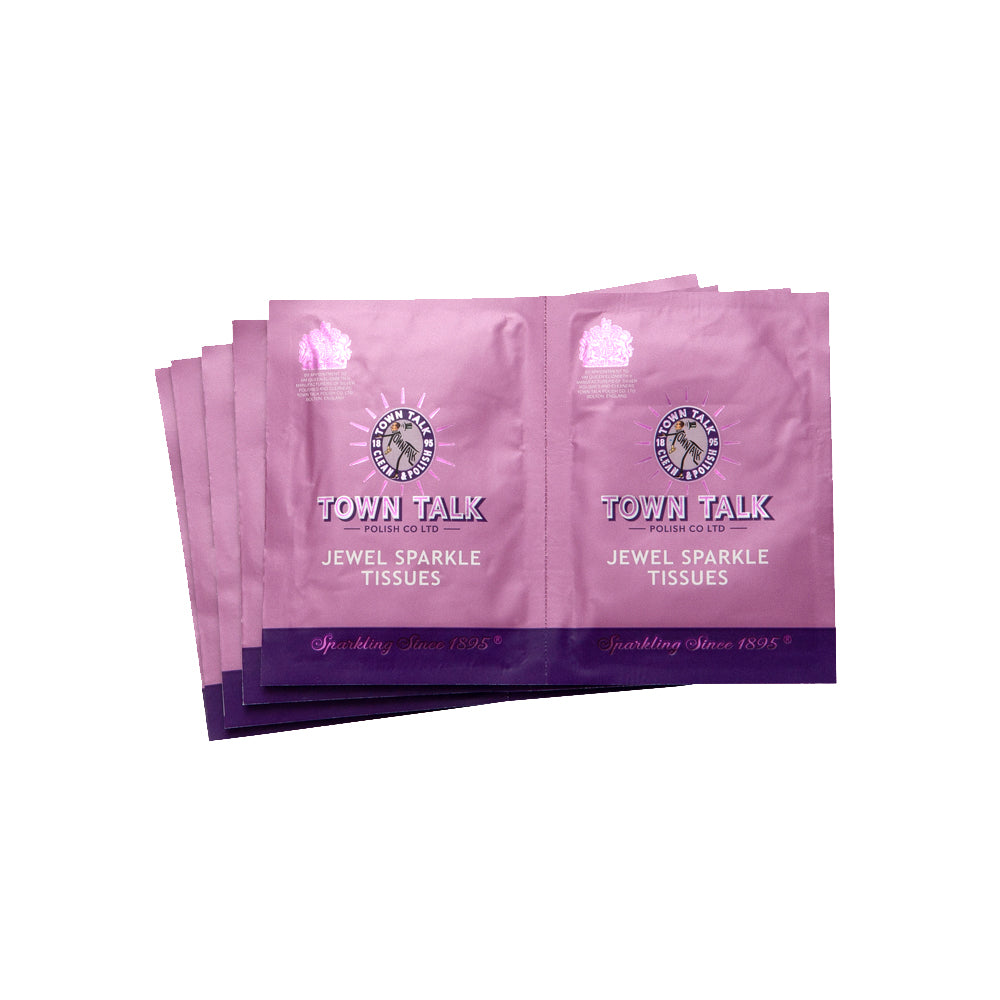
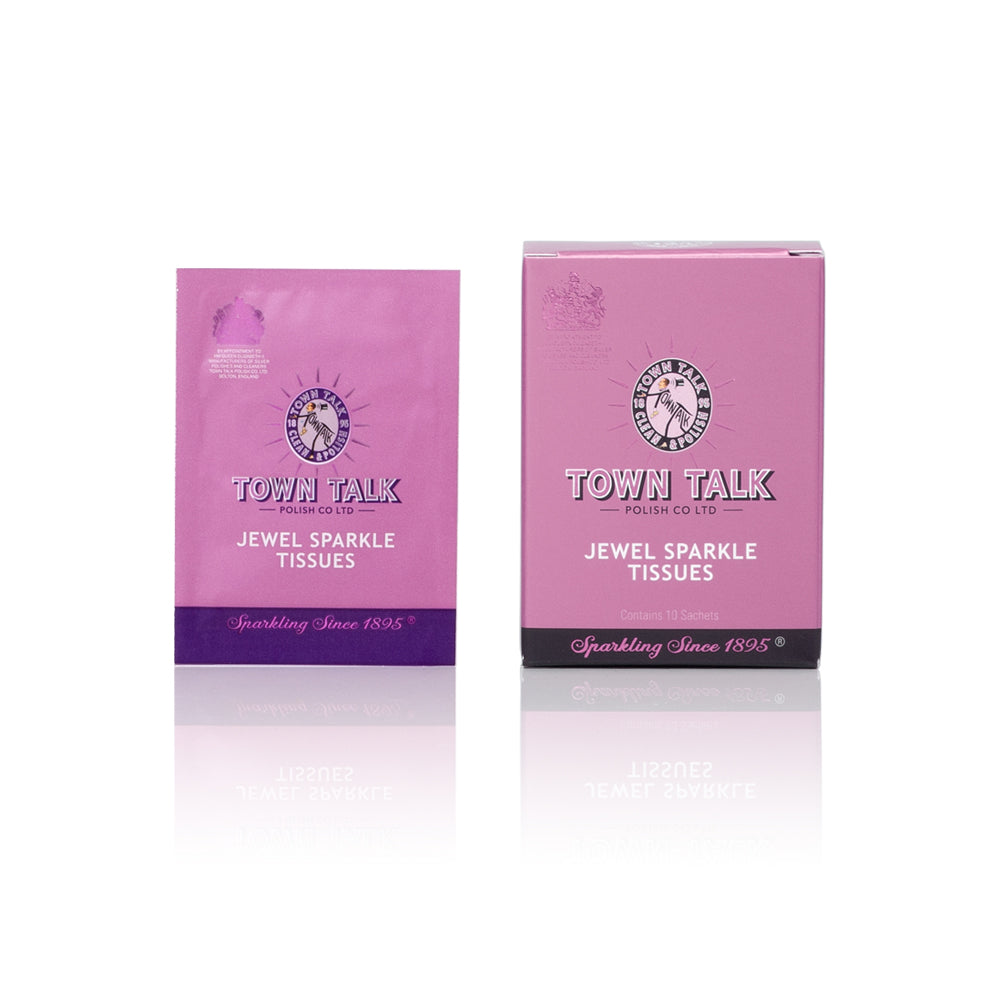
Jewellery Tissues

Lemon & Lime Leather Cream Spray


Luxury Furniture Wax
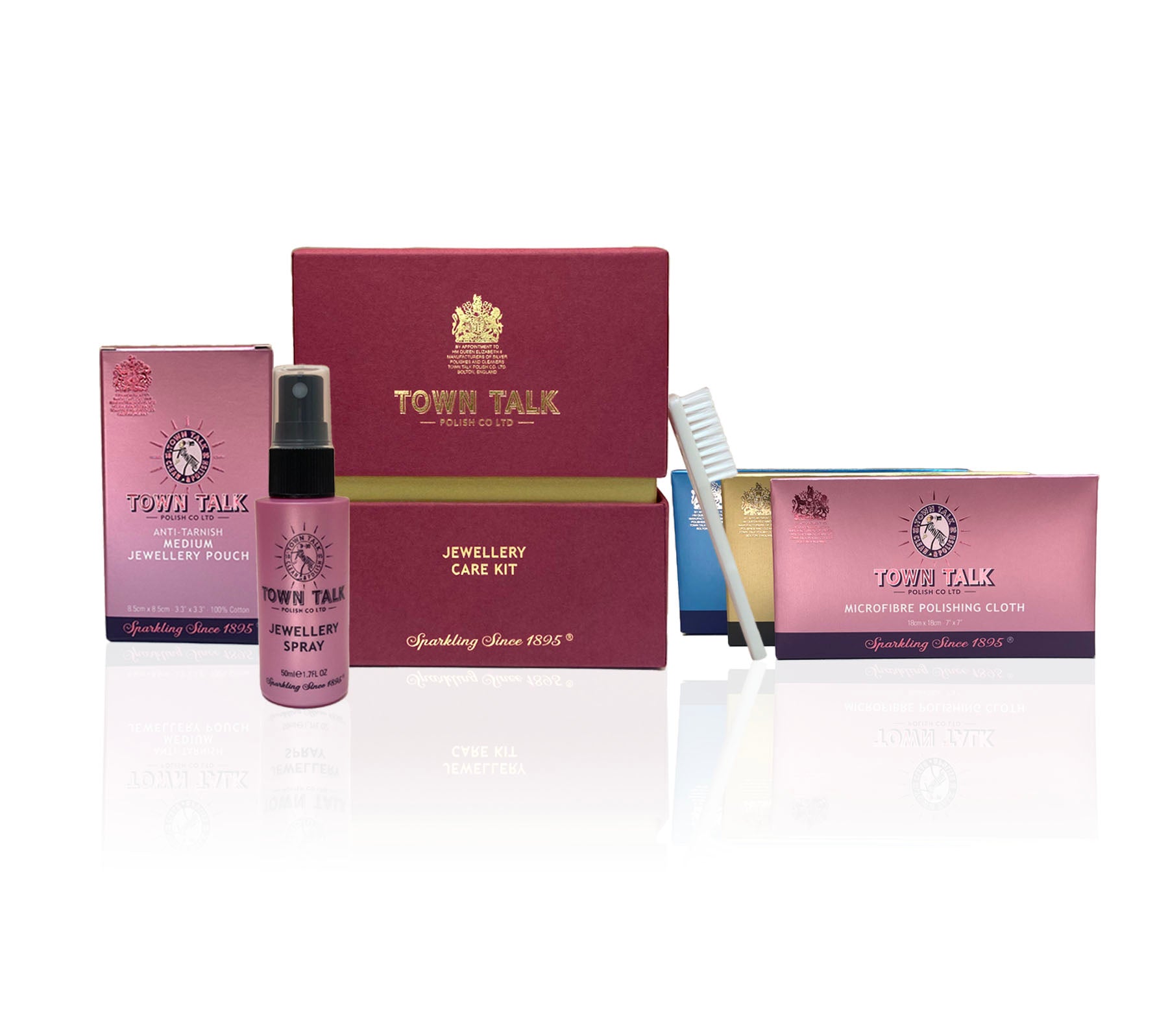
Luxury Jewellery Care Kit


Marble Wax
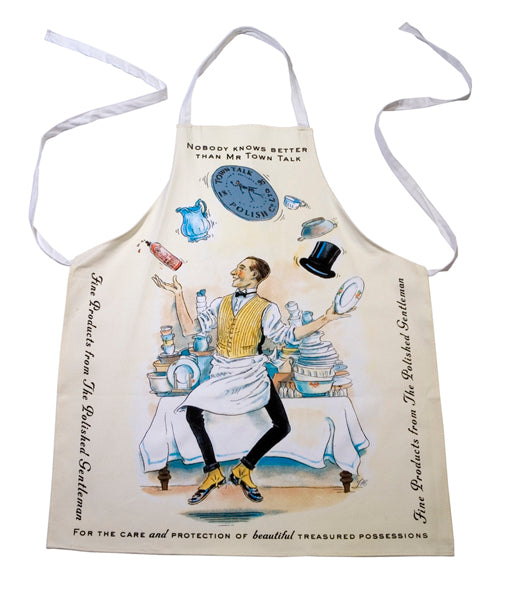
Mr Town Talk Apron
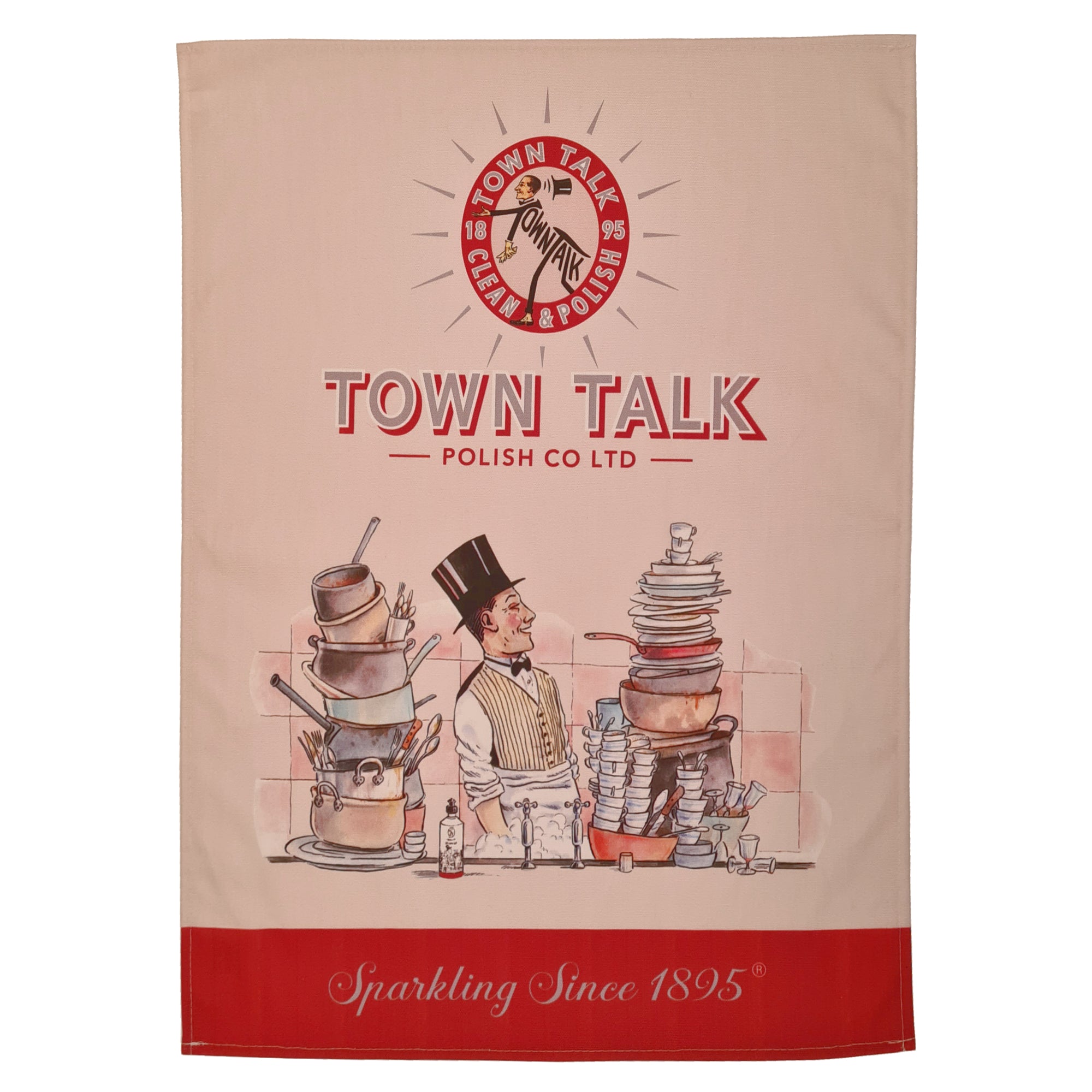
Mr Town Talk Tea Towel
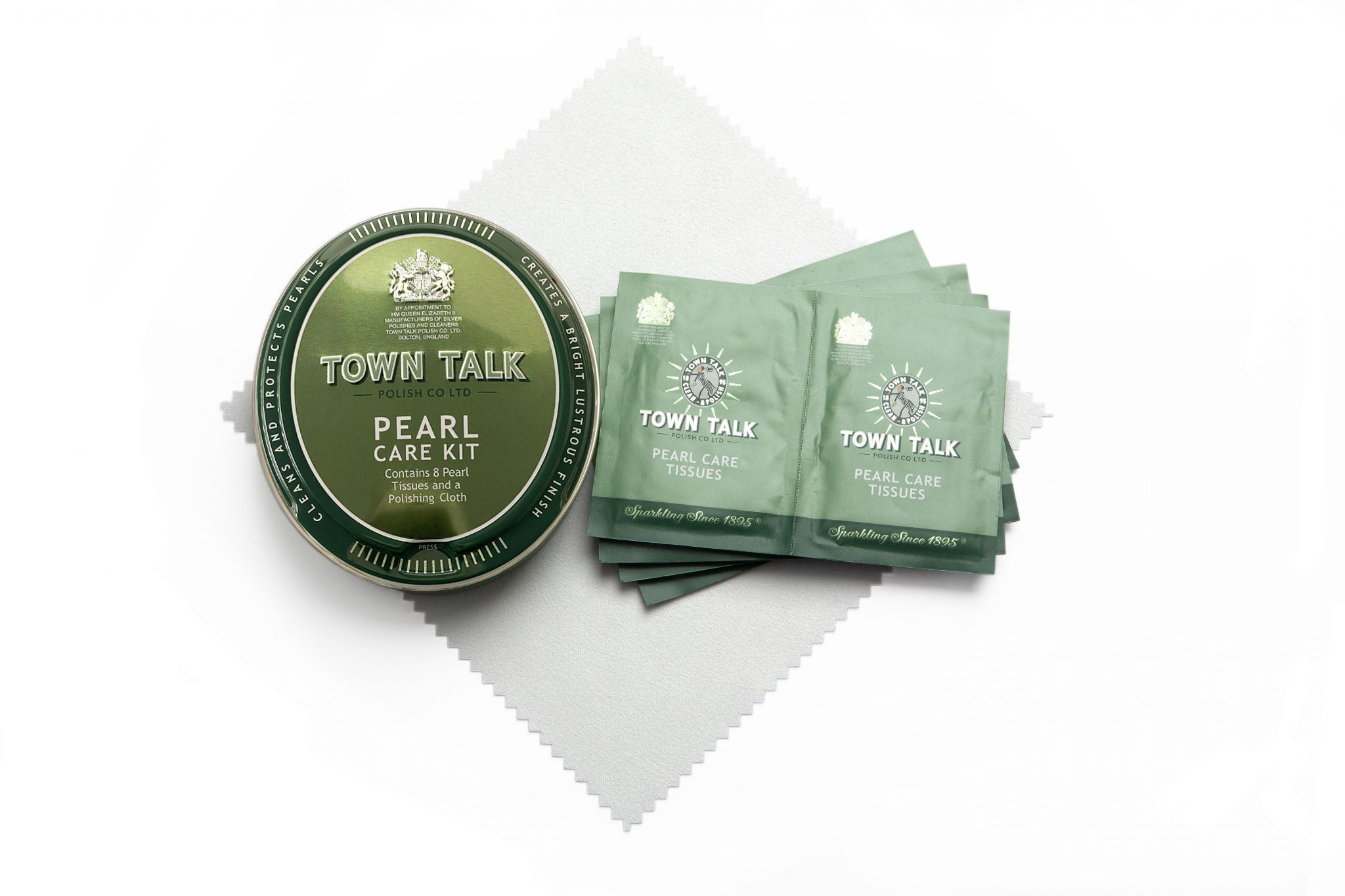
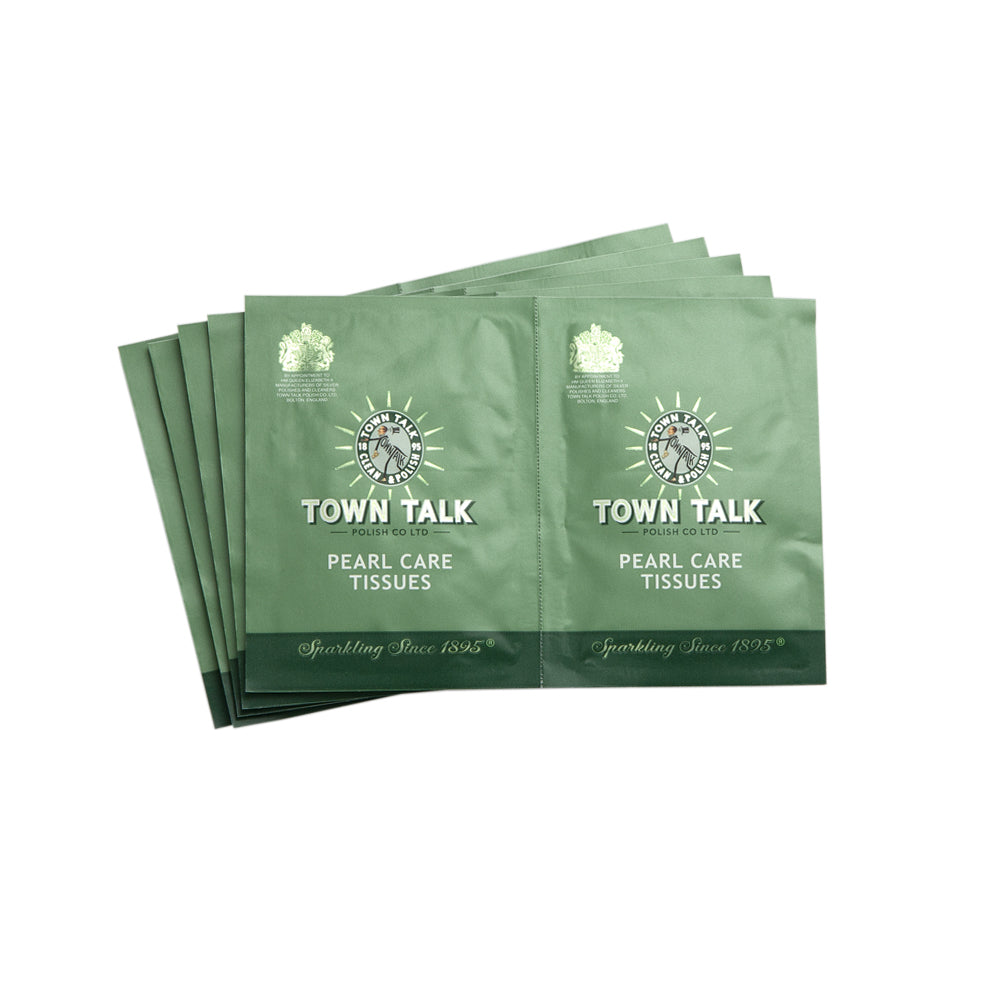
Pearl Care Kit Tin
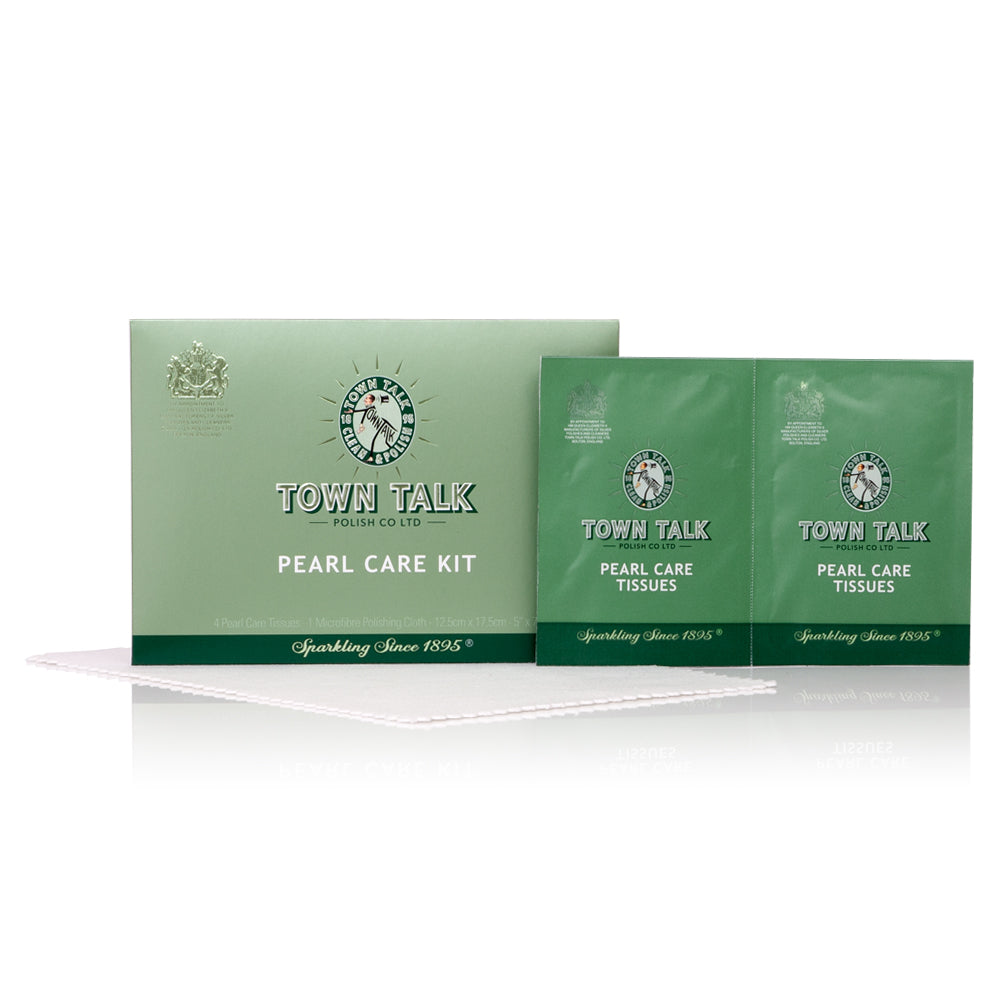
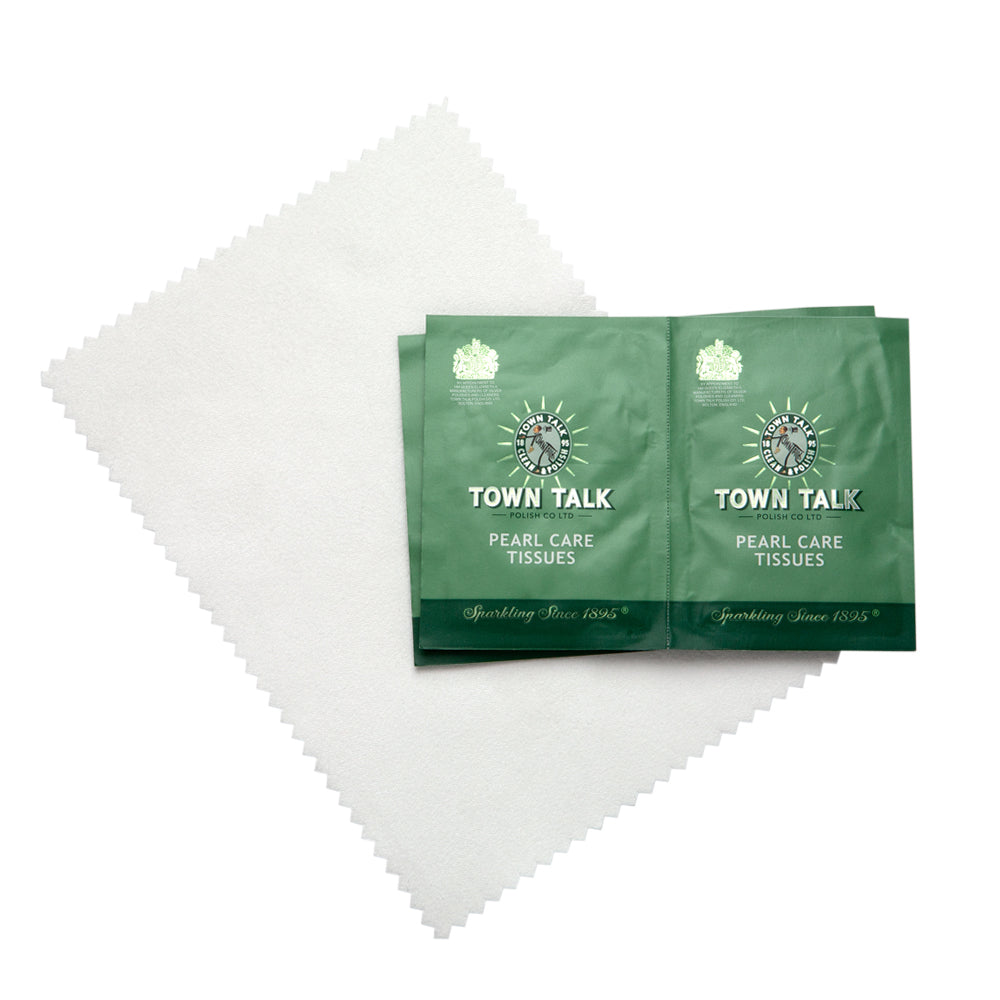
Pearl Care Kit Wallet
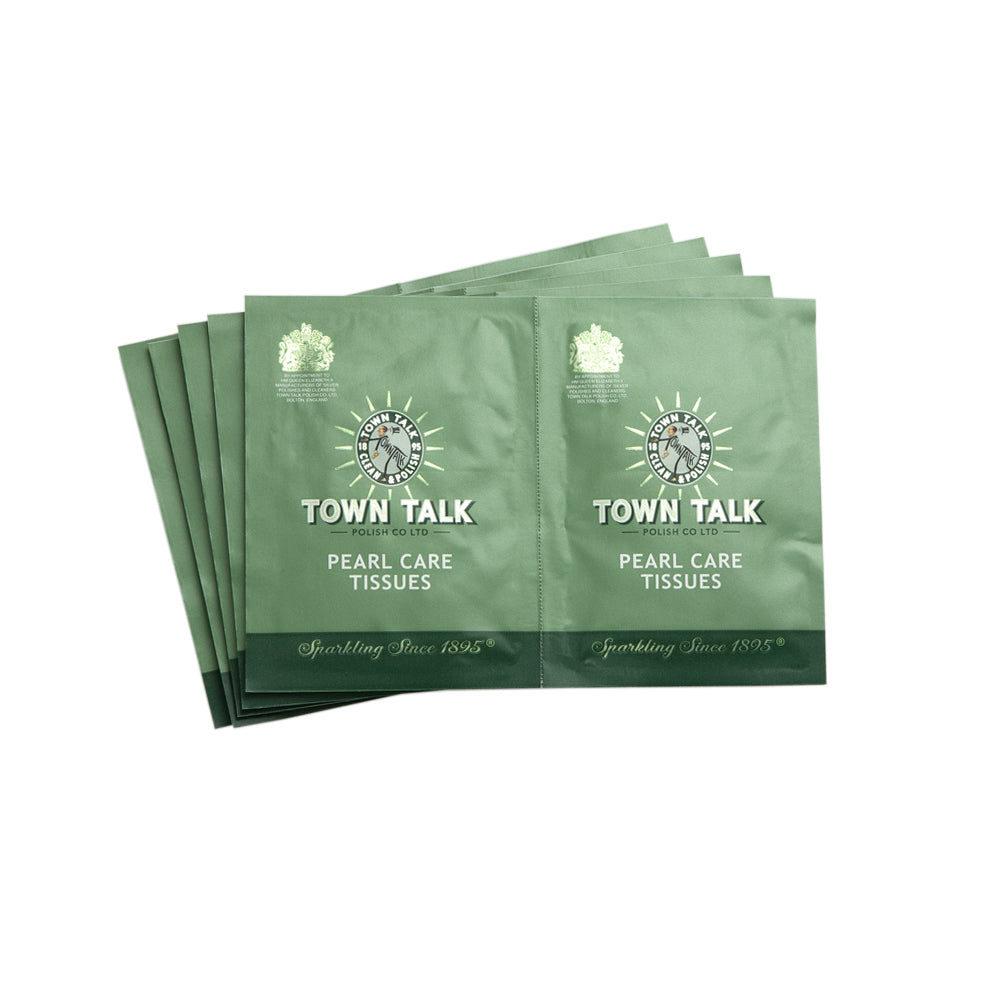
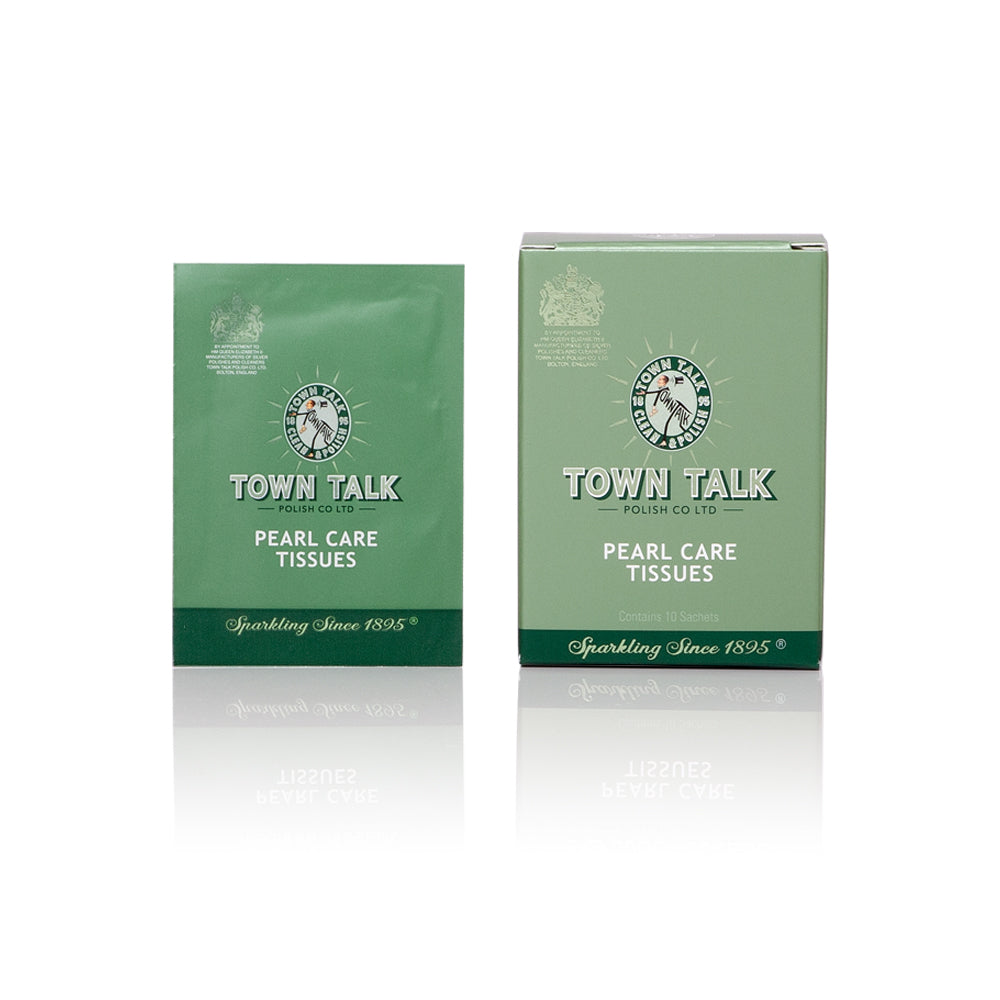
Pearl Care Tissues
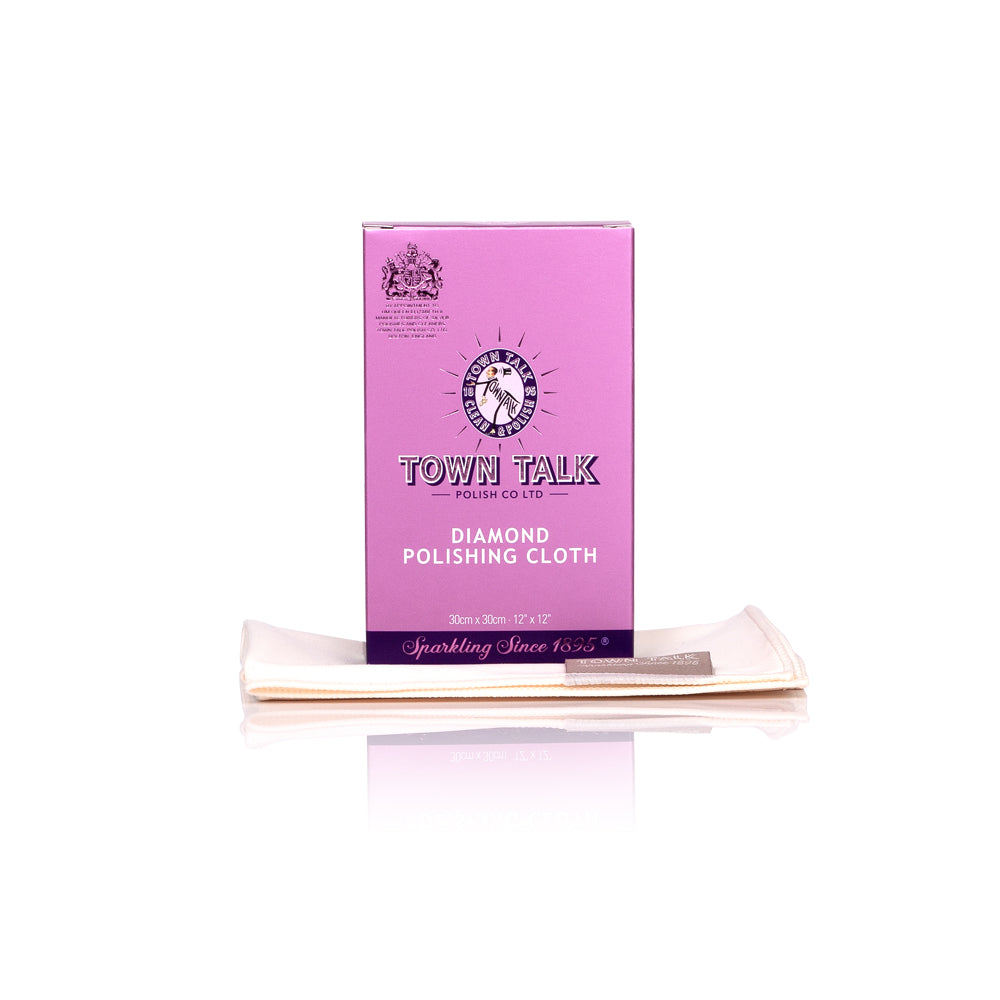
Professional Jeweller's Cloth

Screen and Spectacle Cloth
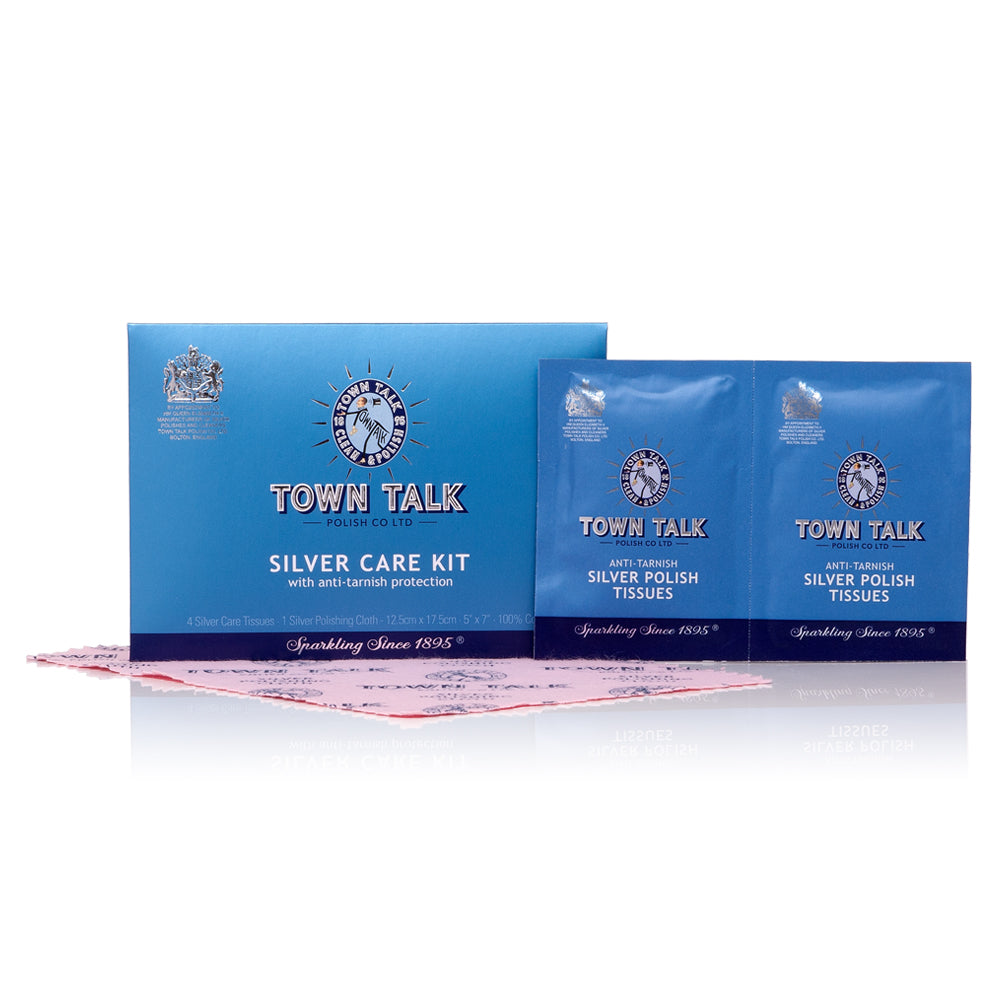
Silver Care Kit Wallet
Silver Cutlery Dip
Silver Foam
Silver Polish
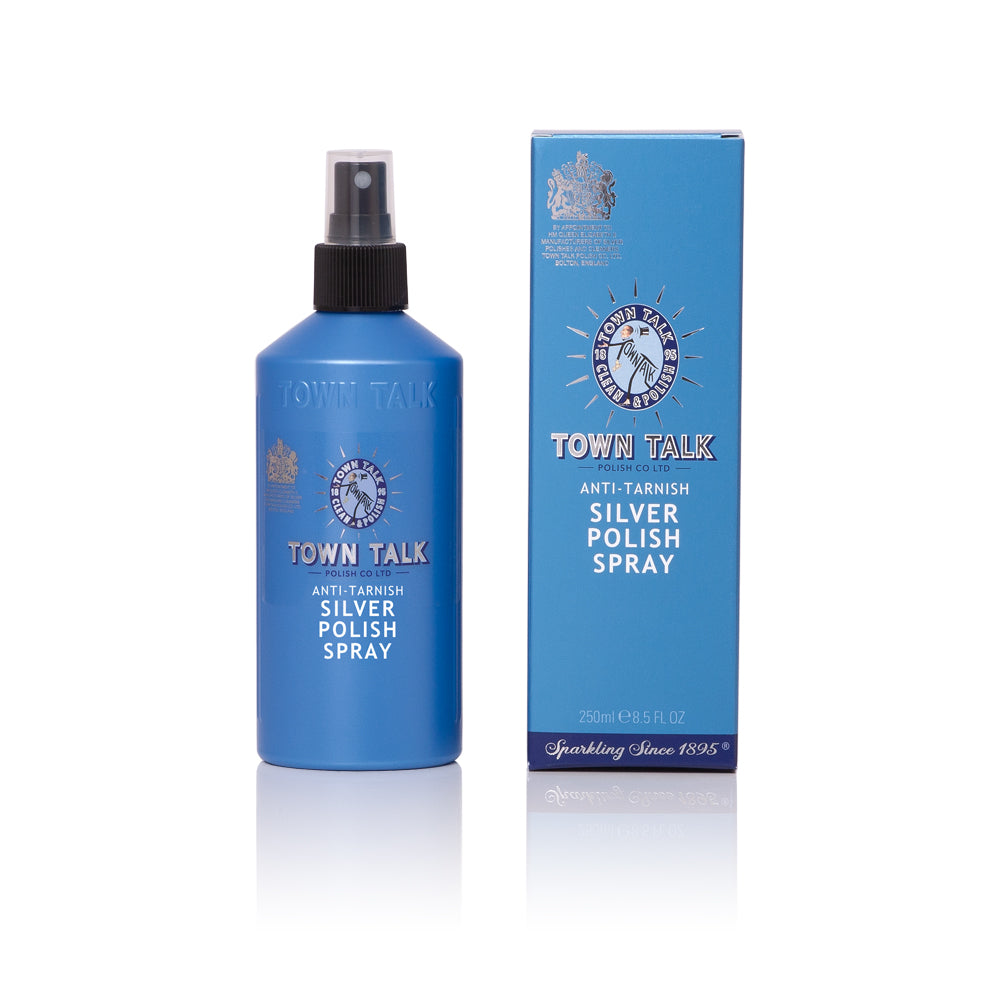
Silver Polish Spray
Silver Polish Tissues
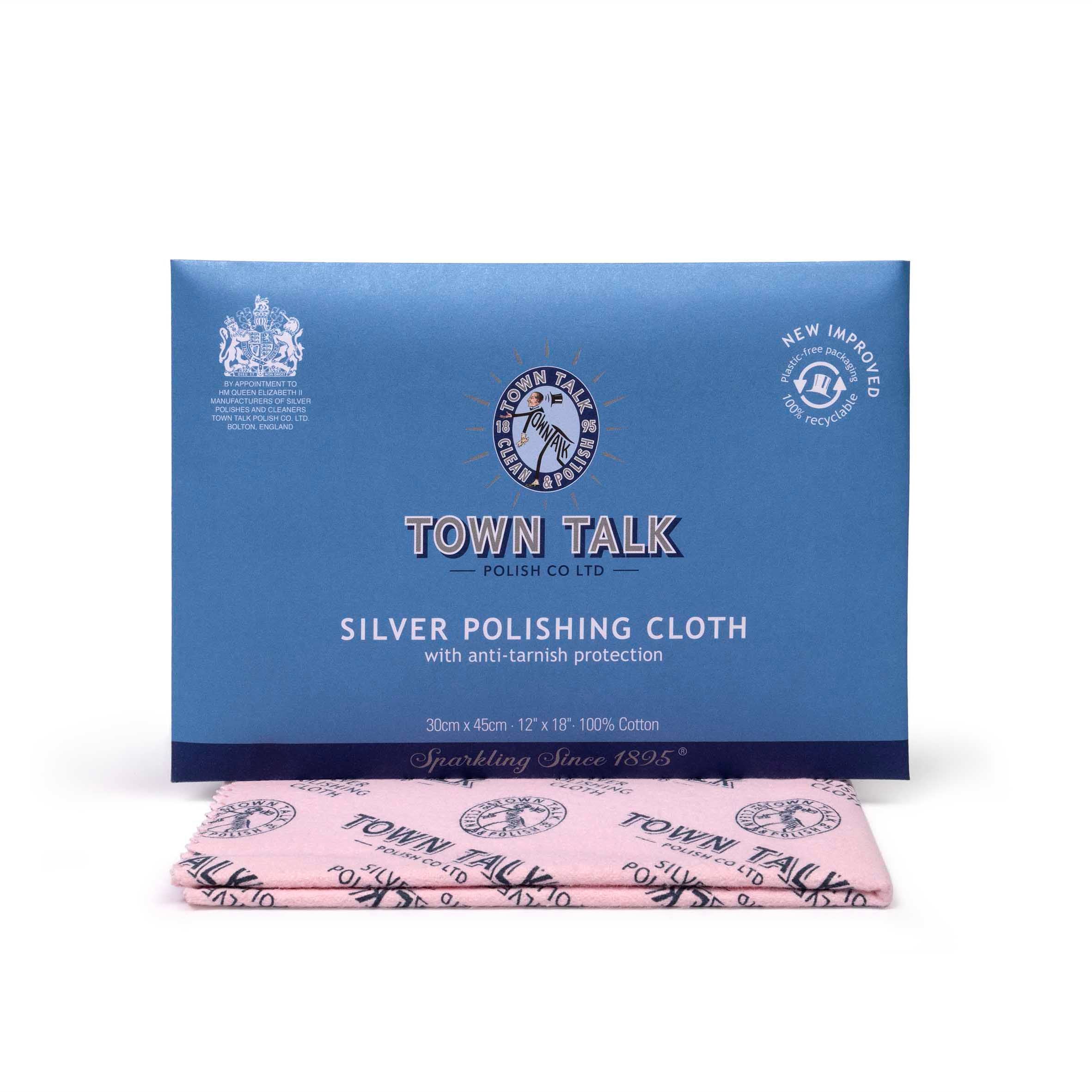
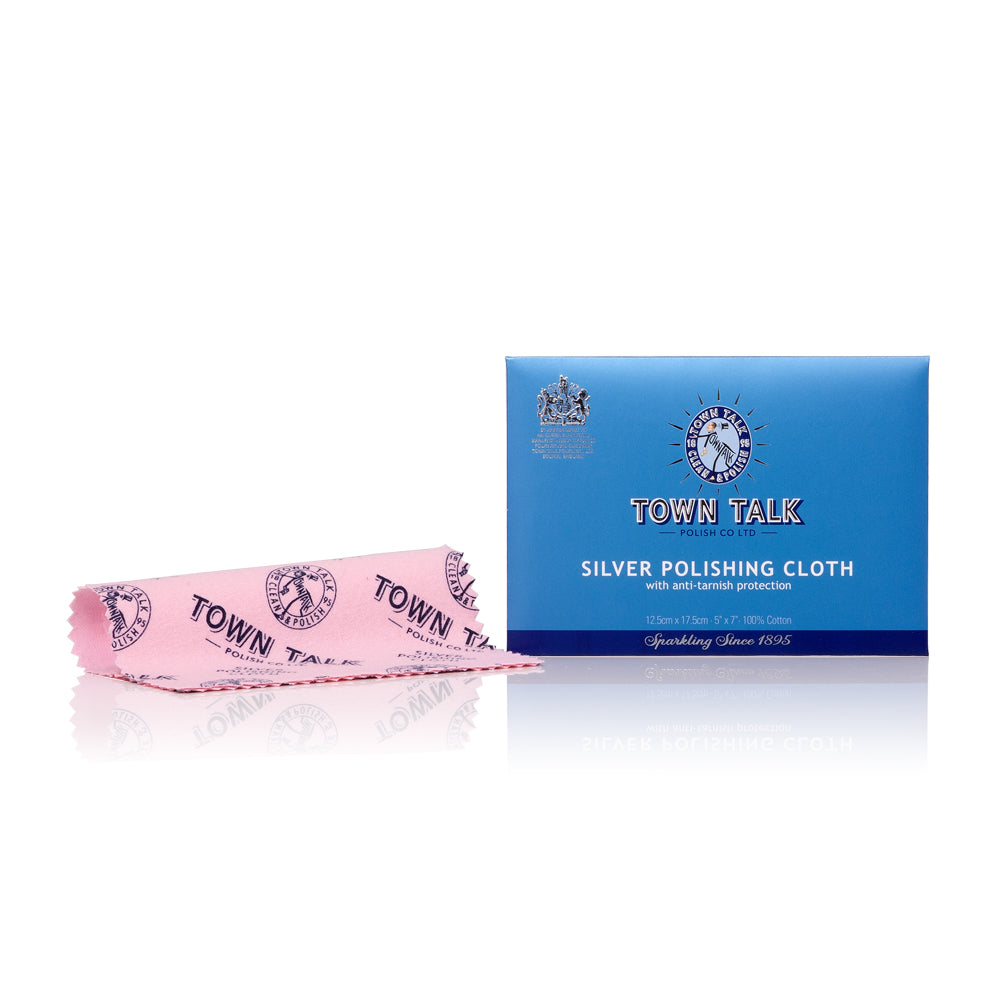
Silver Polishing Cloth
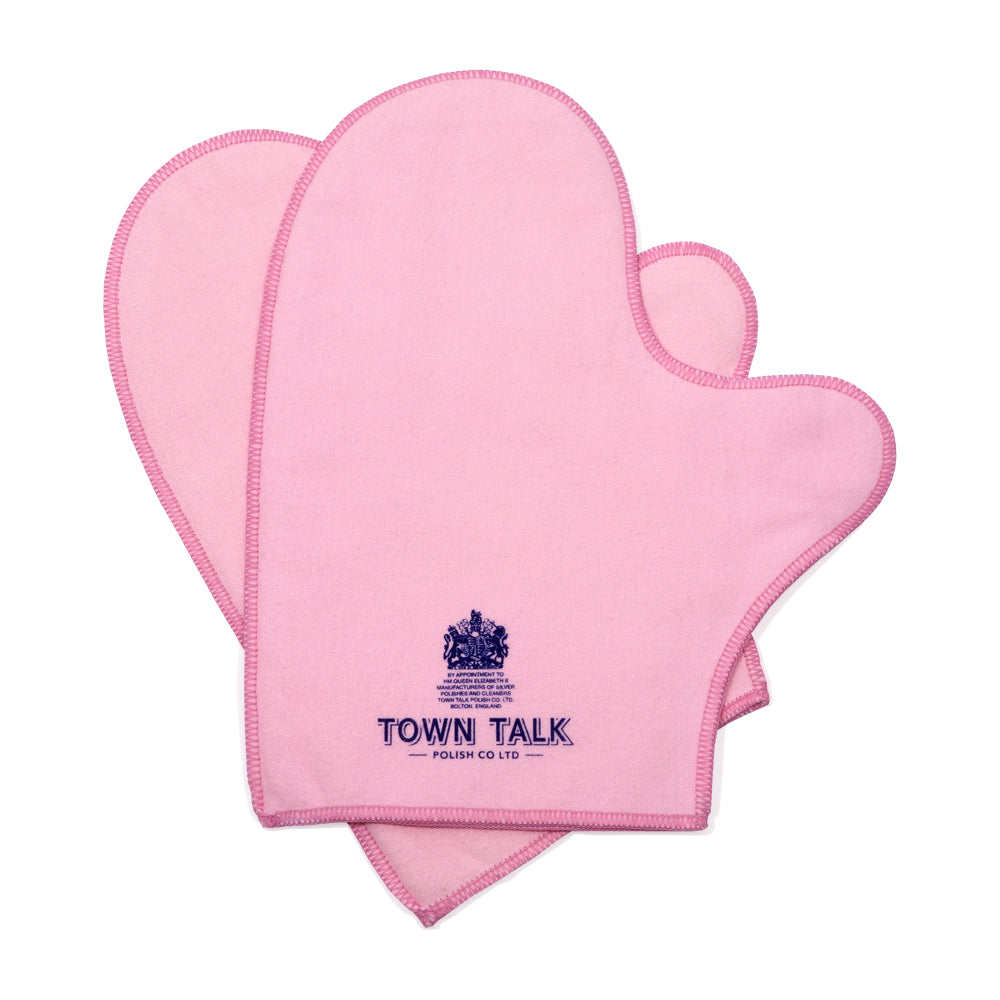
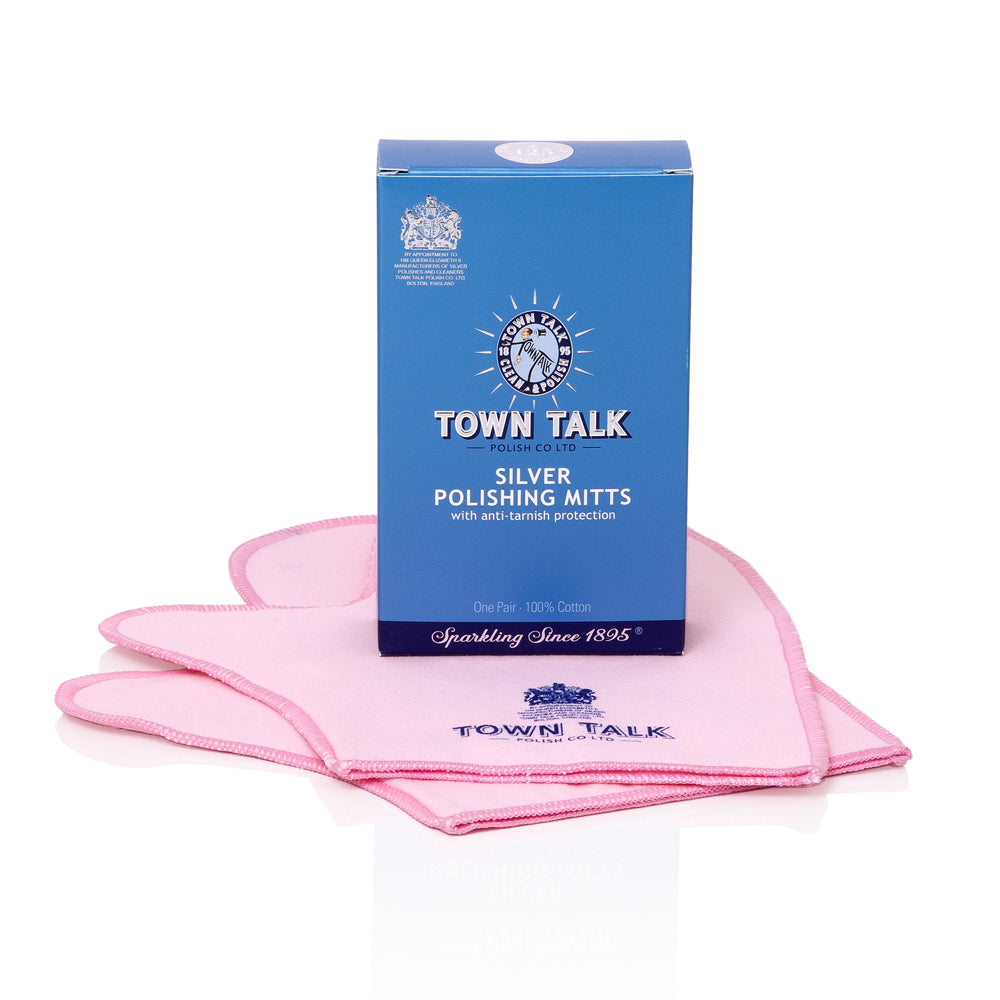
Silver Polishing Mitts


Silver Sparkle
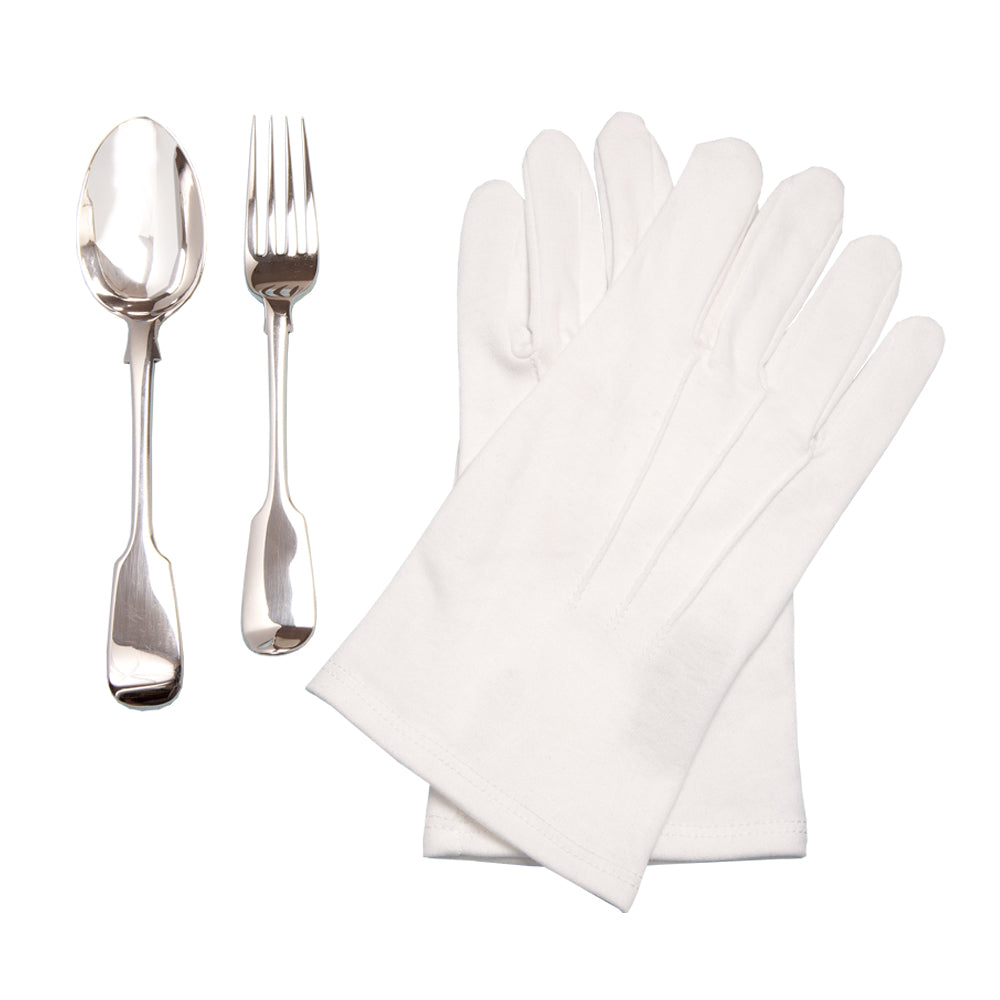
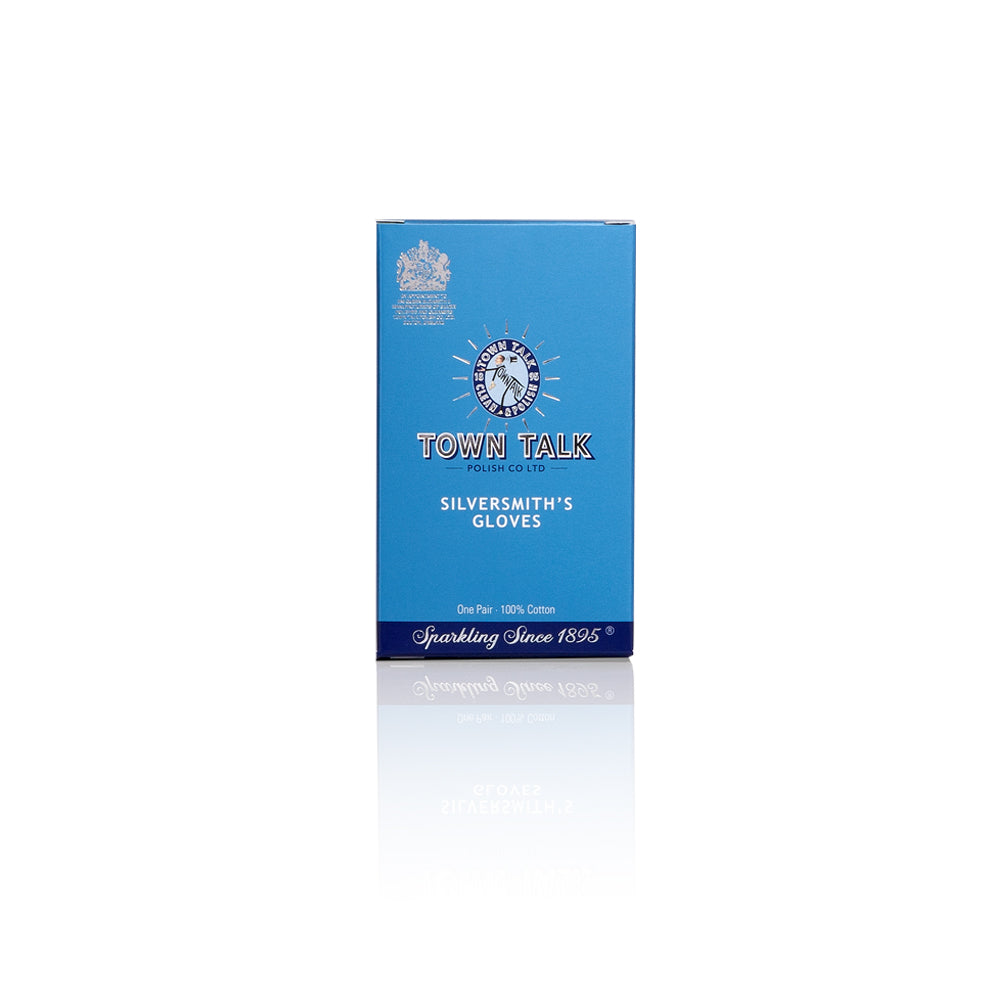
Silversmith’s Gloves
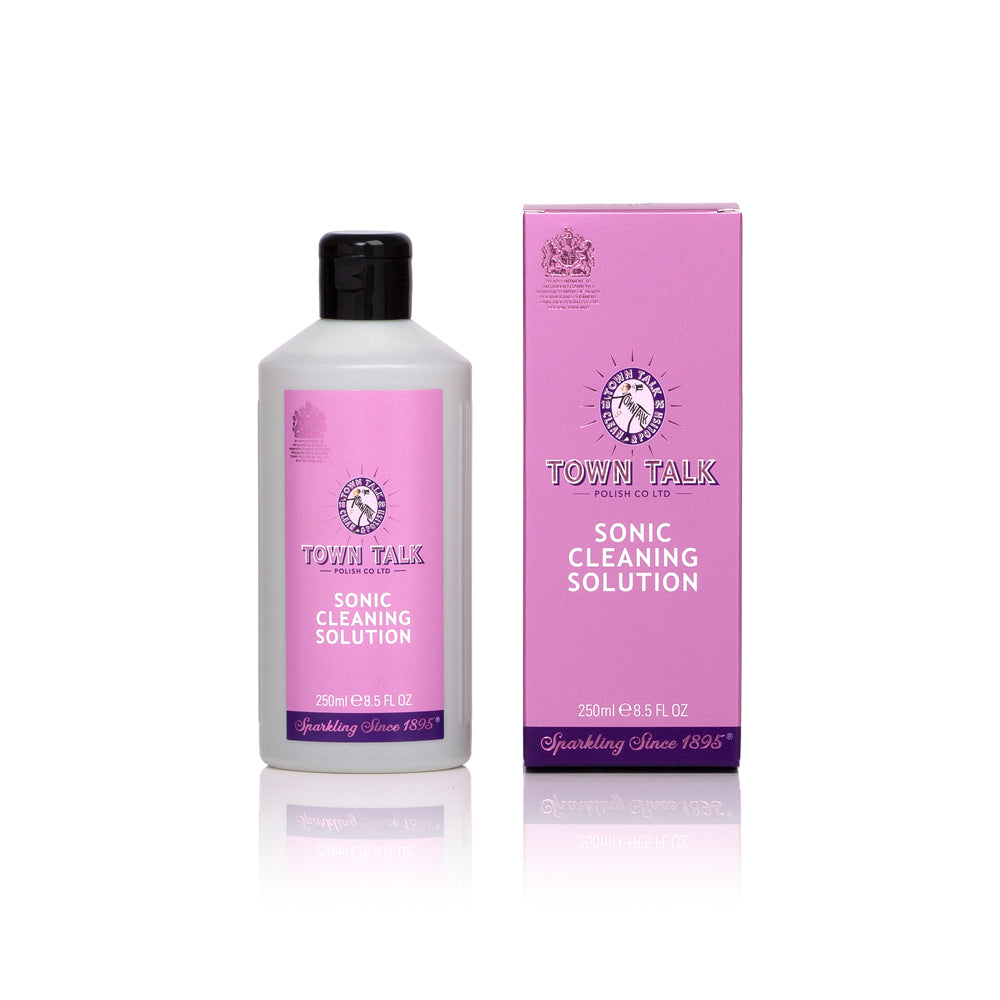
Sonic Cleaning Solution
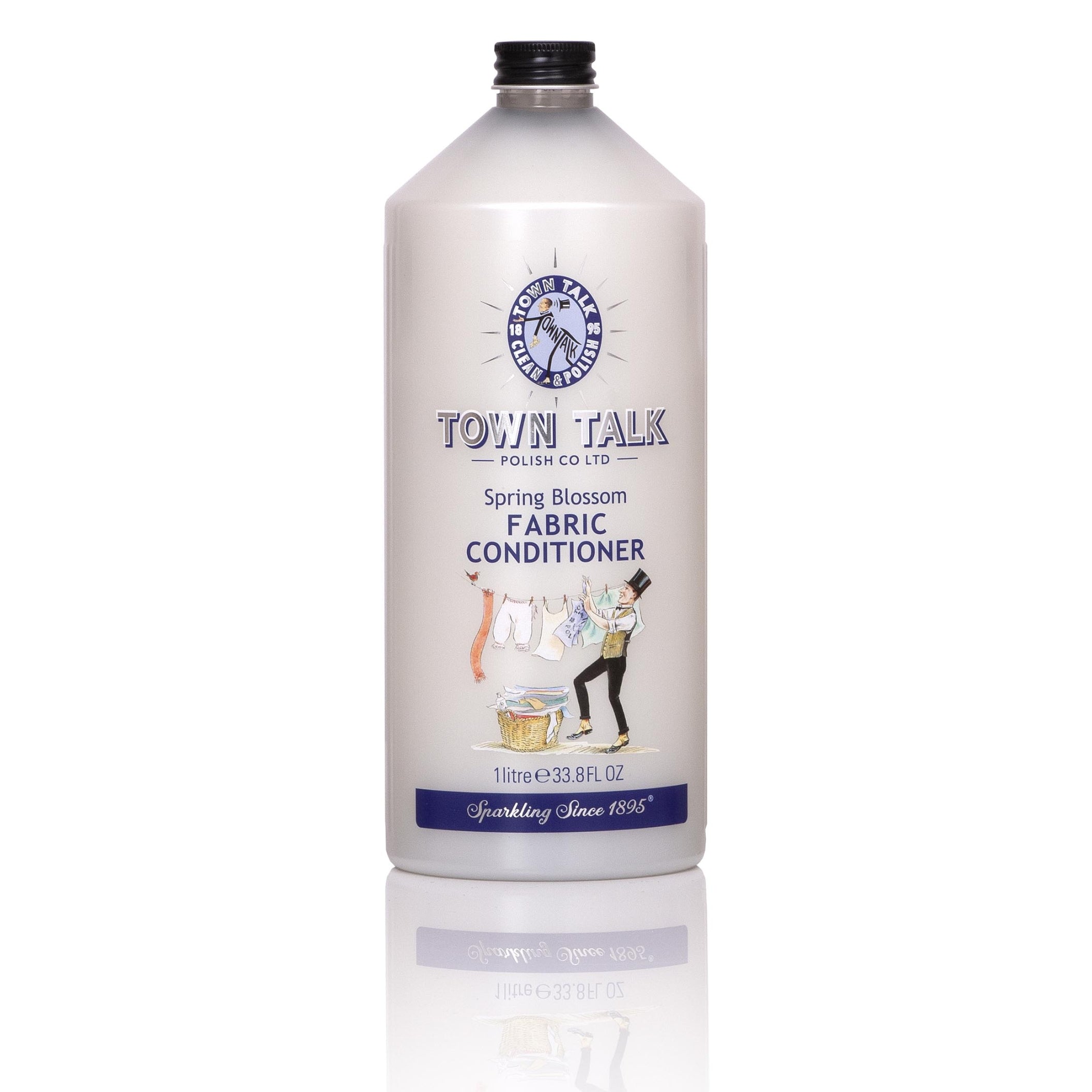
Spring Blossom Fabric Conditioner
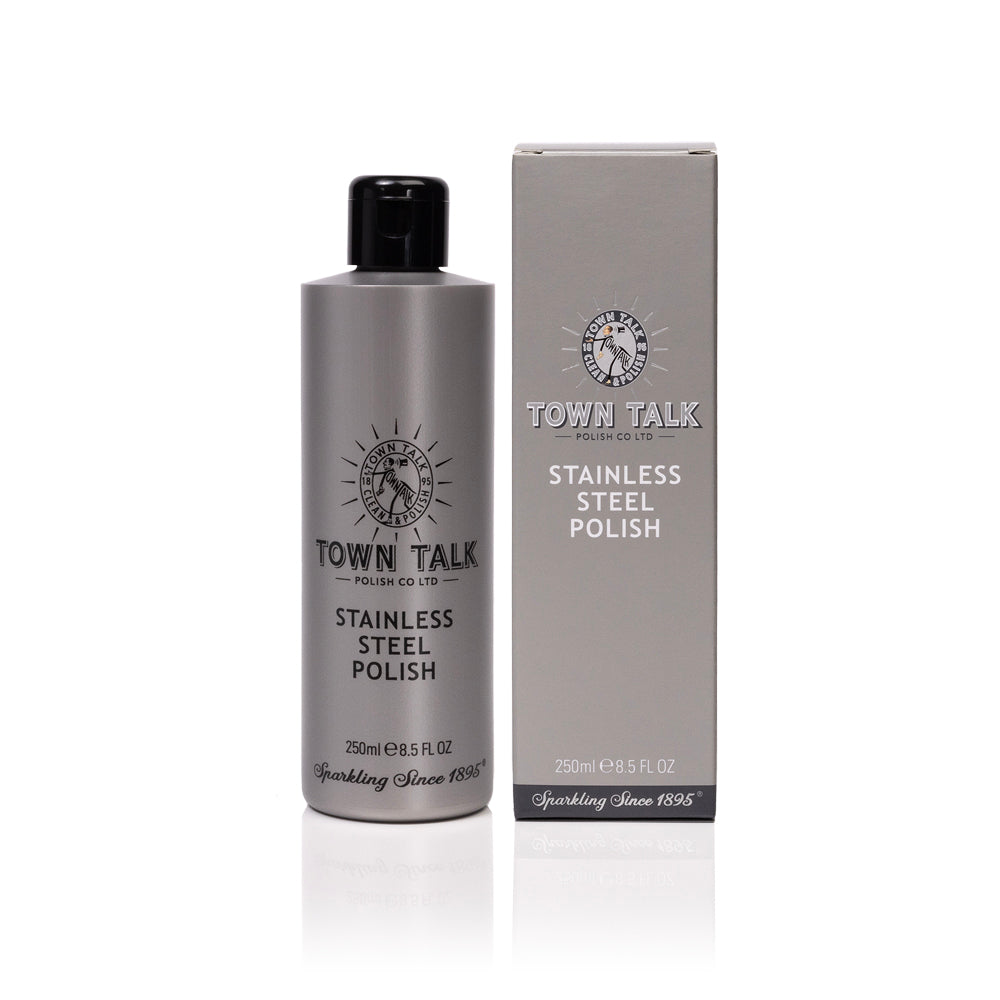
Stainless Steel Polish
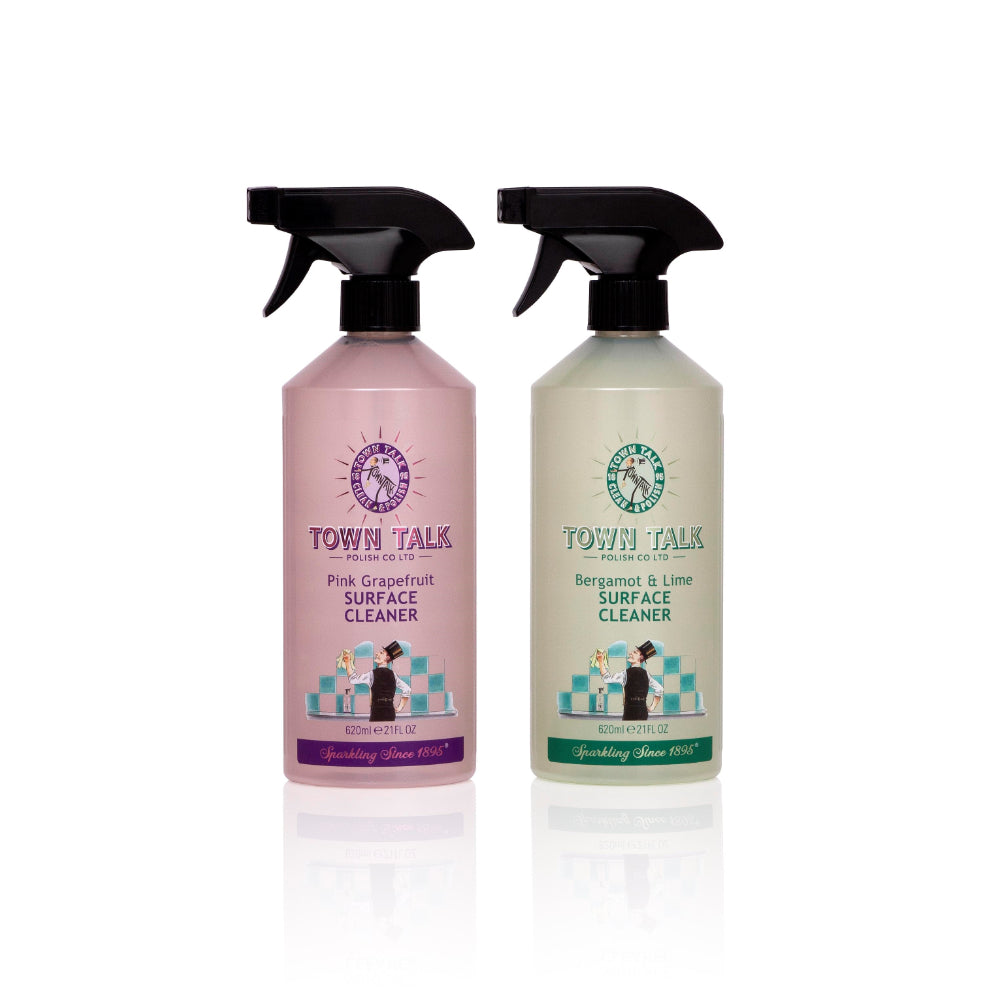
Surface Cleaner
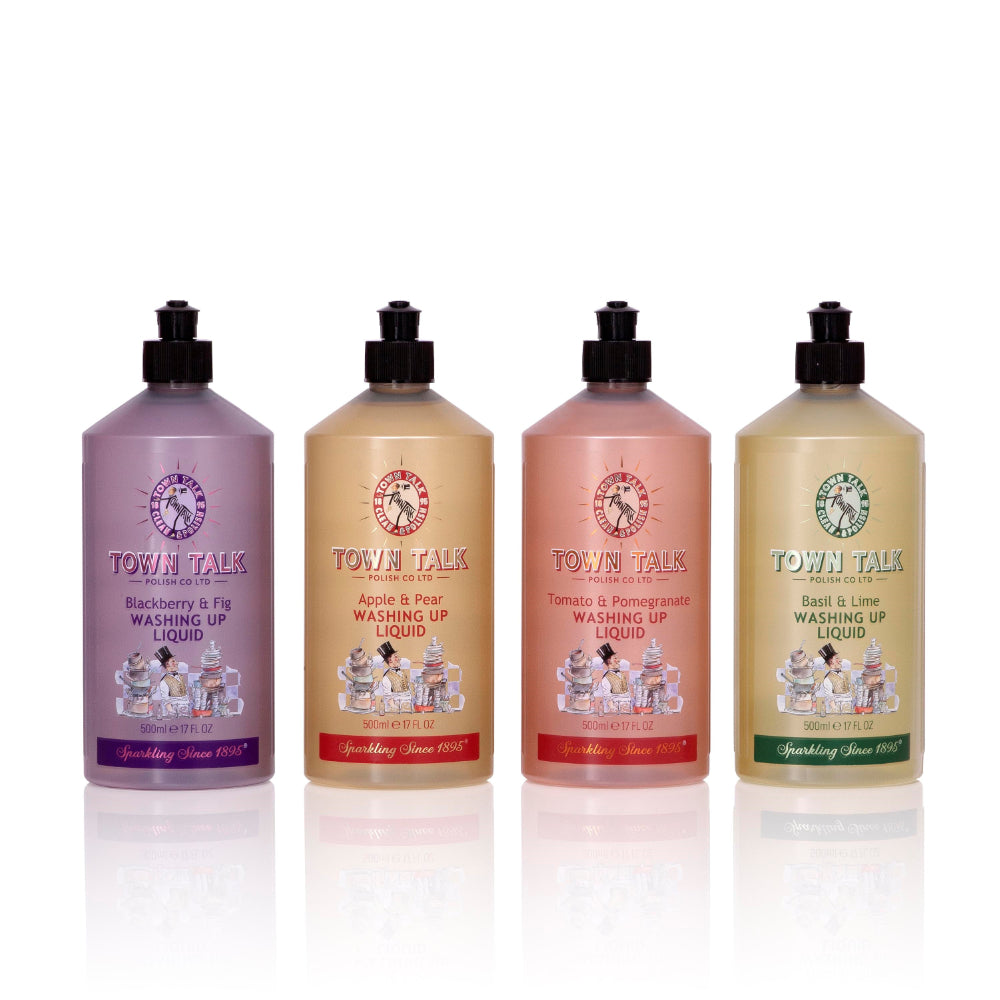
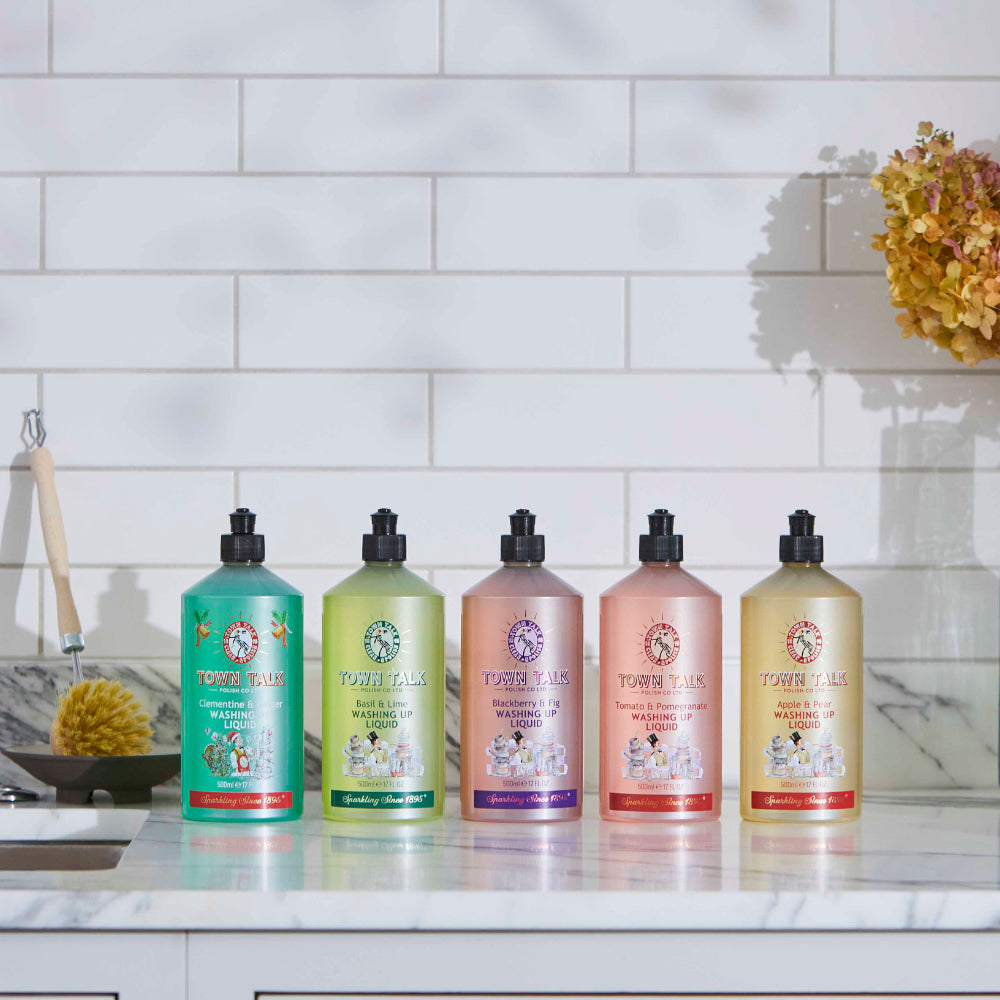
Washing Up Liquid
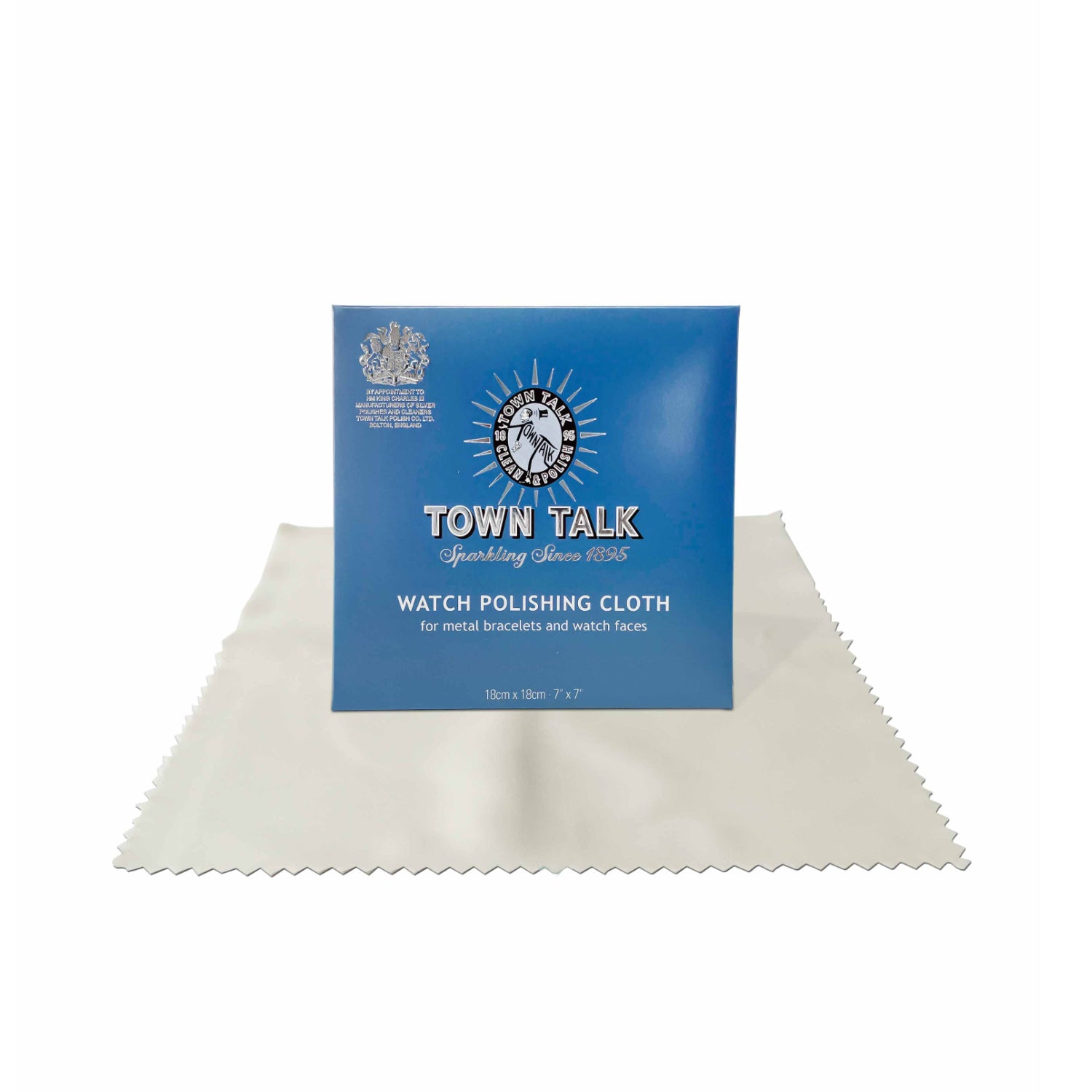

Watch Polishing Cloth
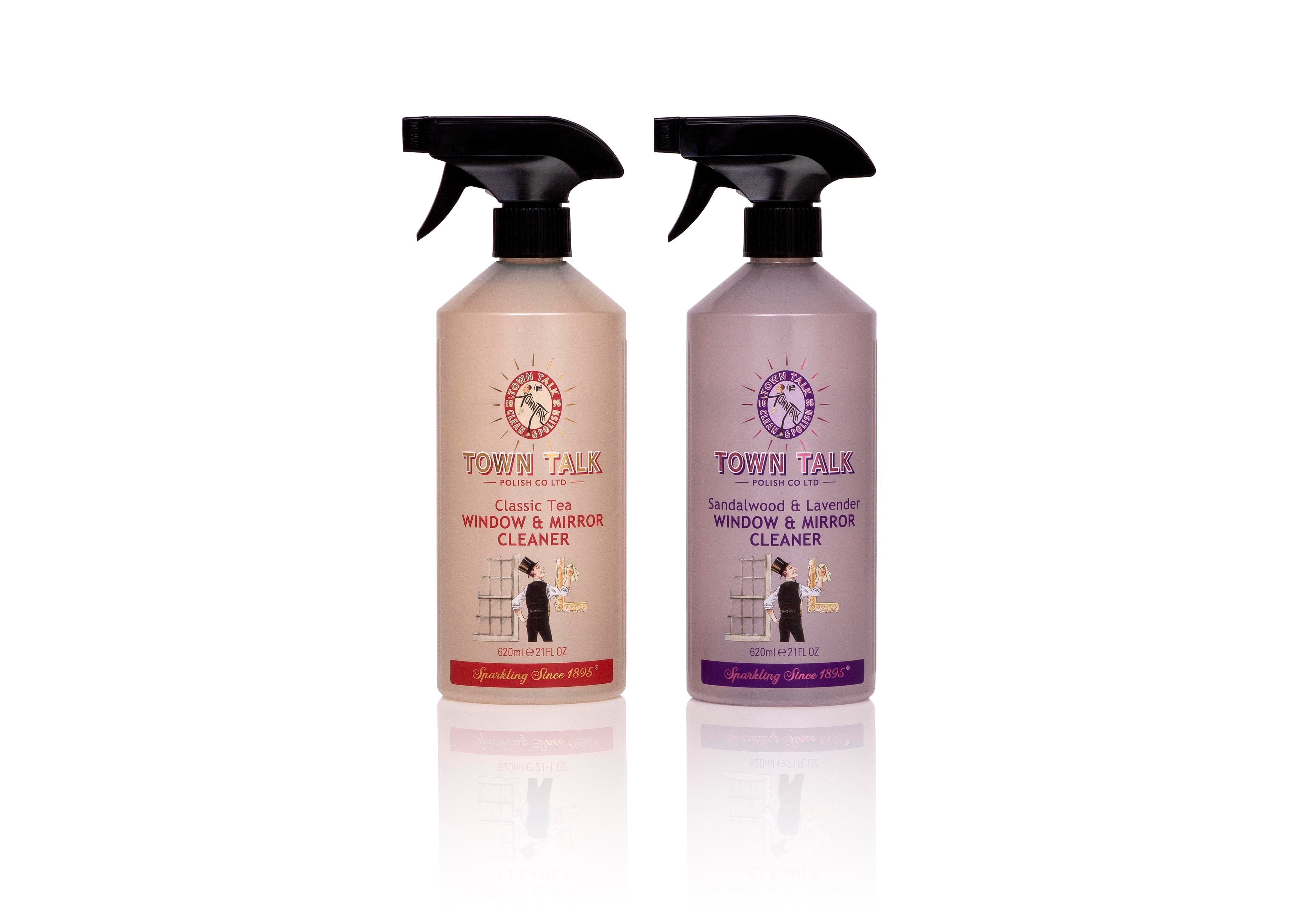
Window and Mirror Cleaner


Wooden Work Surface Wax
FREQUENTLY ASKED QUESTIONS
No they are not suitable for gold plate. We recommend using our Jewellery Tissues with a Jewellery Polishing Cloth instead.
There are 2 types of white gold - rhodium plated, and non plated, and for the purposes of cleaning it is important to check which type it is. Older pieces are more likely to be rhodium plated - the plating gives jewellery the 'white' colour of white gold. This wears off over time and the wearing would be accelerated by using the gold polishing mitts, so for this reason we would recommend cleaning rhodium plated white gold jewellery with a microfibre cloth. For a deeper clean you can also use our Jewel Sparkle or Jewellery Tissues . NB If you have a rhodium plated piece that you wear regularly, you are likely to need to ask your jeweller to replate it every couple of years. Some more recent pieces of white gold jewellery don't have a rhodium plate because preferences have changed. For these pieces it is perfectly fine to use our Gold Polishing Mitts.
No, there are no chemicals in the Jewellery Polishing Cloth. It works by trapping dirt in-between its fibres in a chemical free mechanism.
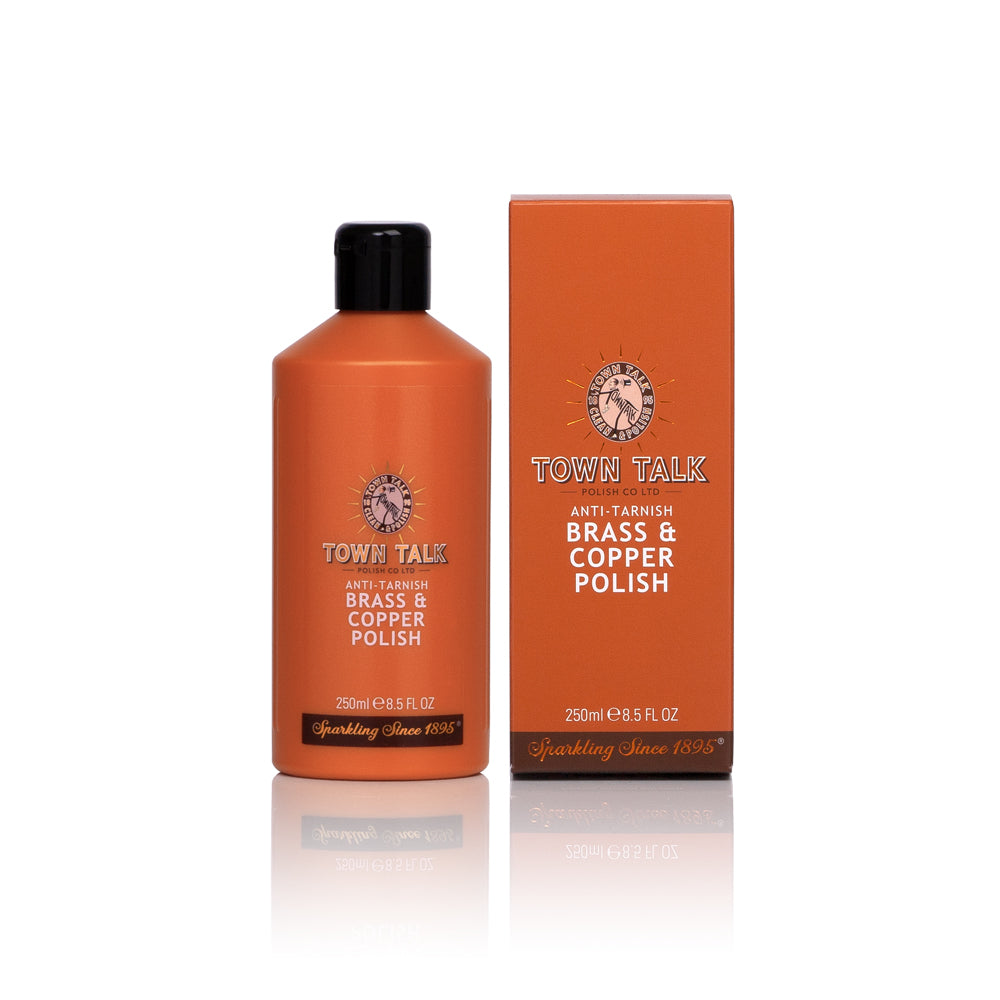
Yes, this polish will polish up brass door carpet treads. Please take care to cover the carpet on either side of the carpet tread whilst you clean it, to protect against any spillage of polish.
Yes, this polish is perfect for cleaning copper saucepans. Please rinse saucepans and food utensils after using the polish and before food preparation.
Gold-plated jewellery requires gentler care as the gold layer is thin and can wear away, so it's recommended to avoid abrasive polishes. A chemical-free jewellery polishing cloth is the safest option, or use a delicate jewellery cleaner spray for a deeper clean without risking damage to the plating.
No, only use Town Talk Silver Cutlery Rinse on silver and silver-plated cutlery as it can damage stainless steel knife blades.
Stainless steel cutlery is durable and convenient as it can be cleaned in a dishwasher. It is liable to scratch though so it’s best not to overfill the cutlery basket.
Take care not to put stainless steel and silver cutlery in a dishwasher together, as this may cause your silver cutlery to turn black.
Read our complete guide on how to care for your silver cutlery.
No, you should not immerse any gems or stones in Town Talk Silver Sparkle – it is designed for silver only. Our article on ' How to Clean Gemstones ' gives advice on which Town Talk Polish product to use for cleaning gems and precious stones.
It's best to avoid it. Dishwasher detergents are harsh and can cause pitting and discolouration on silver. The heat and chemicals can also accelerate tarnishing. Hand washing with mild soap and warm water, followed by thorough drying, is the safest approach.
Traditional furniture wax is designed for natural wood finishes. Modern furniture with a lacquered or varnished finish doesn't usually need waxing - a soft damp cloth is normally sufficient. Check the manufacturer's care instructions before applying any wax products.
Yes, Town Talk's silver cleaners are safe for use on silver-plated items. However, take extra care with heavily worn pieces where the base metal may be exposed. A silver polishing cloth is the safest option for delicate silver plate.
Yes, silver polish is safe for electroplated nickel silver (EPNS) and Sheffield plate. Use a light hand and avoid excessive rubbing on worn areas where the base metal may be showing through. A silver polishing cloth is the gentlest option for heavily worn plated items.
Each solution is formulated for specific metals. Silver Sparkle is designed for silver and silver-plated pieces, while Jewel Sparkle is suited to gold, platinum, and gemstone jewellery. We do not recommend dipping any other metals or gemstones into Silver Sparkle. However, silver can be safely dipped into Jewel Sparkle, although it will not remove the tarnish. Using the correct dip ensures the best results without risking damage.
Not always. Hard gemstones like diamonds, rubies and sapphires can be safely cleaned with most jewellery solutions. However, soft or porous stones like pearls, opals, emeralds and turquoise need a specialist delicate cleaner. Always check what materials your jewellery is made from before choosing a cleaning method. For a full guide on how to clean different gemstones, click here .
Yes, the Jewellery Spray, Jewellery Tissues, and Jewellery Polishing Cloth are all safe to use on delicate and porous gems, including pearls, opals, and emeralds. For porous stones such as pearls, we recommend drying the piece immediately after cleaning to protect the stone's surface.
Yes, it's perfectly safe for silver and gold. For a regular light clean it works well, but it won't remove tarnish or restore a deep shine - for that, we'd recommend our Fine Jewellery Cleaning Bundle , which is specifically designed for precious metal care.
Furniture Wax of any sort should not be used on any item that has been lacquered. The lacquer will stop the wax from entering the wood and so you will end up with a smeared finish. If this happens, or if you apply too much wax to your piece of furniture, it can be removed with a soft muslin cloth which will trap the excess wax and remove it from the surface.
Yes, the pouches are perfectly safe to store pearl and gemstone jewellery.
The Gold Polishing cloth is not suitable for gemstones however can be used to polish the gold around gemstones. For a polishing gemstones directly, use Town Talk's Jewellery Polishing Cloth or Professional Jeweller's Cloth .
The Gold Polishing Mitts are not suitable for gemstones. For a quick polish, use Town Talk's Jewellery Polishing Cloth or Professional Jeweller's Cloth , and for a deeper clean see our article on ' How to Clean Gemstone Jewellery ' for our recommendations.
Our silver dips (i.e. our Silver Sparkle and Silver Cutlery Dip) work in a different way to our silver polishes. They will quickly remove all traces of tarnish from silver without the need for polishing, but will not add any anti-tarnish protection.
For this reason we recommend polishing your silver with our Silver Polishing Cloth after it has been cleaned with a dip. This will give it an extra shine and keep it brighter for much longer.
It depends on how tarnished your item is. For light to moderate tarnish the Silver Polishing Cloth or Silver Mitts alone are sufficient to restore your item's sparkle. For items that are more heavily tarnished, we would recommend using alongside a liquid cleaner such as Town Talk's Silver Polish (for silverware) or Town Talk's Silver Sparkle (for jewellery).
For light to moderate tarnish the Silver Polishing Cloth or Silver Mitts alone are sufficient to restore your item's sparkle. For items that are more heavily tarnished, we would recommend using alongside a liquid cleaner such as Town Talk's Silver Polish (for silverware) or Town Talk's Silver Sparkle (for jewellery).
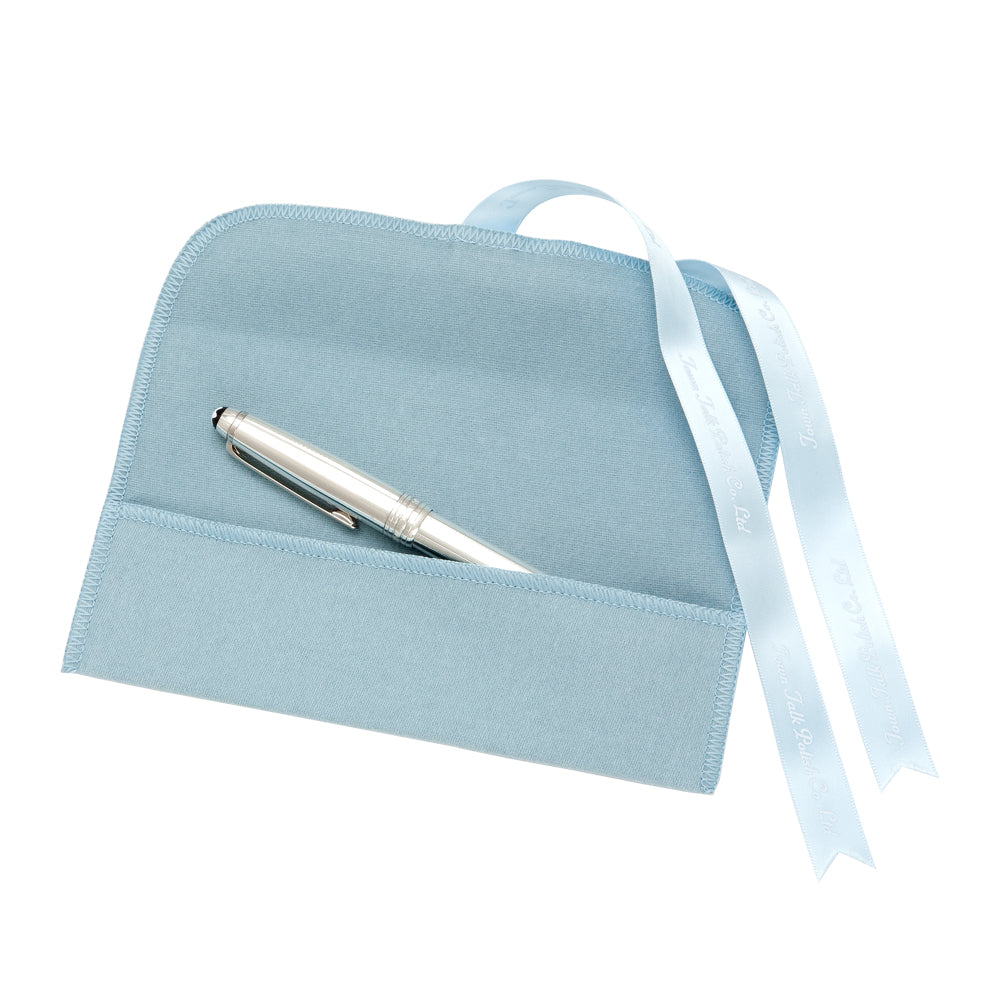
Our cutlery rolls are made using 100% woven cotton that is impregnated with a cleaner and an anti-tarnish agent. The impregnation is non-toxic and washing of cutlery is not required before use after storage, however a Town Talk Jewellery Microfibre Polishing Cloth can be used to remove dust and fingerprints if necessary.
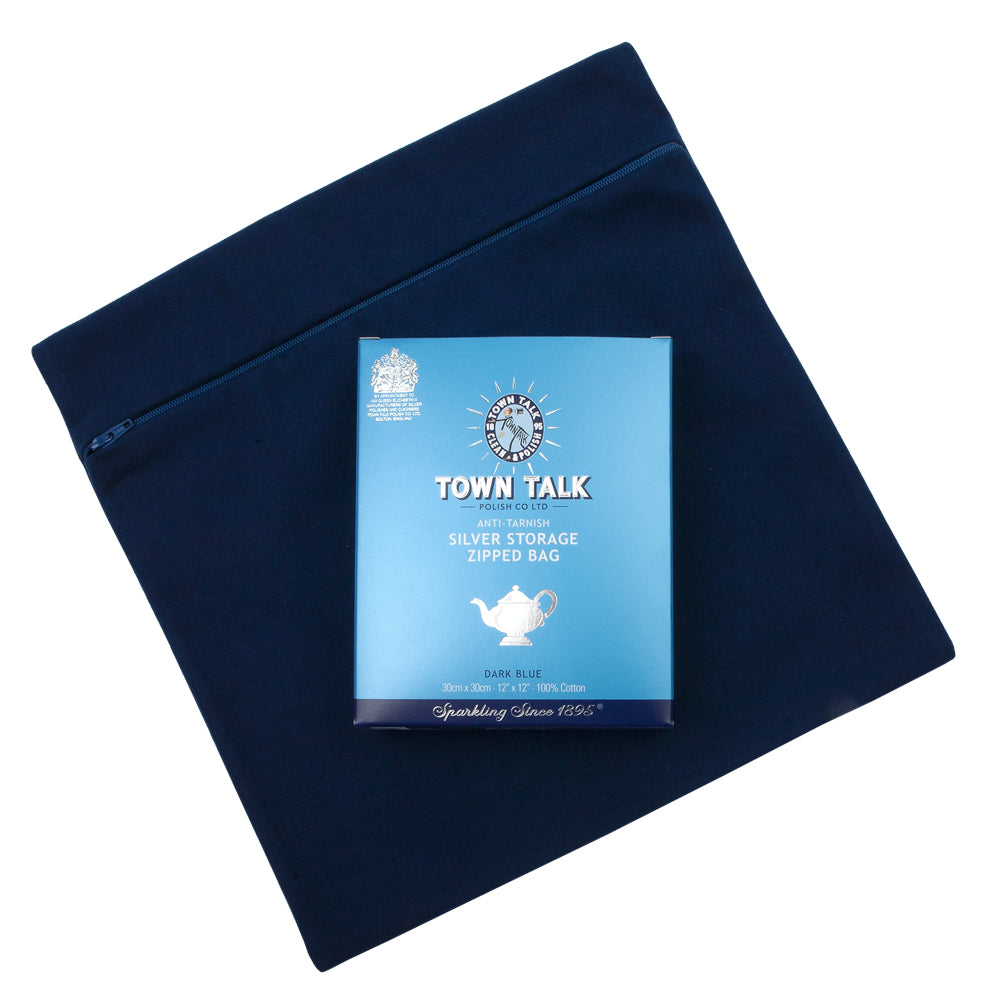
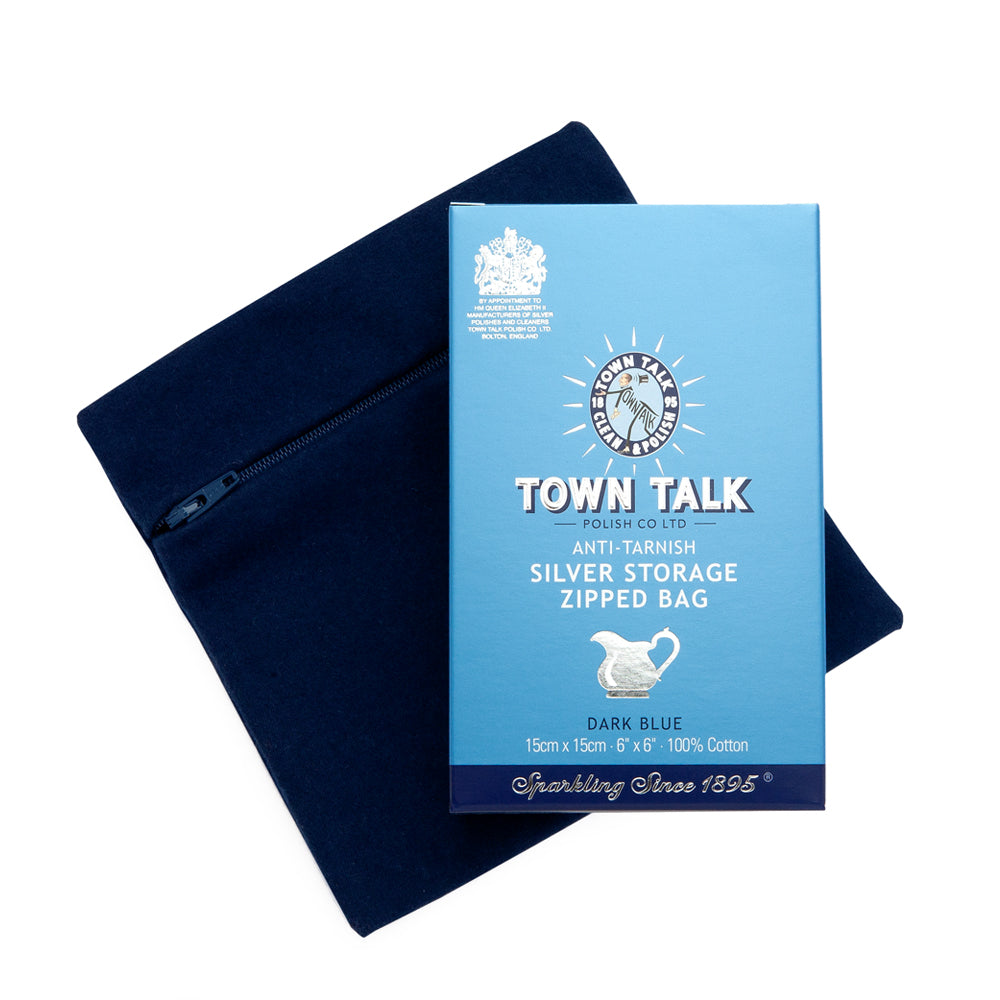
Anti-tarnish storage bags are made from 100% cotton fabric impregnated with anti-tarnish agents. These agents absorb the atmospheric sulphur compounds that cause silver to blacken, slowing the tarnishing process and keeping silver ready to use for longer.
Gold chains collect oils, perfume and dirt between the links. A jewellery cleaning dip is ideal as the solution reaches every link. Dip the chain, gently agitate it in the solution, then use a soft brush on any problem areas. Rinse well and lay flat to dry to avoid tangling.
Soak diamond jewellery in Jewel Sparkle for two, then use the soft brush to clean around and beneath the stone where dirt collects. Rinse, dry and buff with a polishing cloth for maximum brilliance. View the full guide here .
The easiest way to clean gold jewellery is with a jewellery cleaning dip like Jewel Sparkle . Simply dip your gold pieces for a few minutes, use the brush to remove any dirt from behind settings, rinse and dry. For a quick touch-up between deep cleans, a gold polishing cloth will buff away fingerprints and restore shine.
Read the full guide here.
Use a jewellery cleaning dip or spray paired with a small brush to reach behind settings and into crevices where dirt accumulates. The Jewellery Cleaning Wand is also ideal for intricate pieces - its built-in bristles tease out ingrained dirt while the cleaning solution restores sparkle.
Silver foam is the best choice for ornate pieces like candlesticks, picture frames and decorative trays. The foam can be worked into detailed areas with the sponge applicator, reaching crevices that a cloth cannot. Rinse thoroughly afterwards to remove any residue from detailed areas.
A silver dip is ideal for charm bracelets and chains because the liquid reaches all the small details that a cloth cannot. Dip the bracelet for a few minutes, use the brush to loosen any trapped dirt, rinse thoroughly and dry with a soft cloth. Read the full guide for cleaning charm bracelets here .
For everyday cleaning, Silver Cutlery Dip is the quickest method - simply dip each piece, rinse and dry. For heavily tarnished cutlery, Silver Foam is more effective as it can be worked into decorative patterns and edges. Always finish by drying thoroughly with a soft cloth, or even better a Silver Polishing Cloth .
Read the full guide here .
Apply a small amount of stainless steel polish to a clean, dry cloth and work in the direction of the grain. Buff with a second clean cloth to remove any residue and achieve a streak-free shine. Avoid using abrasive cloths or scourers which can scratch the surface.
Read the full guide here .
Remove gold jewellery before showering, swimming, exercising and applying lotions or perfume. Store pieces separately to avoid scratches, ideally in a soft pouch or lined jewellery box. A quick buff with a gold polishing cloth after wearing will keep your gold looking its best between deeper cleans.
Pure gold doesn't tarnish, but lower karat gold (9ct, 14ct) contains other metals that can discolour over time. Jewel Sparkle will remove this discolouration quickly. For gold pieces with gemstones, check that the stones are suitable for dipping - hard stones like diamonds are fine, but pearls and opals are not.
Store silver in anti-tarnish storage bags , rolls or pouches to slow the formation of tarnish. Anti-tarnish strips placed in jewellery boxes and cutlery canteens also help by absorbing the atmospheric pollutants that cause blackening. Keep silver away from rubber bands, newspaper and damp conditions.
The anti-tarnish properties remain effective as long as the fabric is not washed. Under normal conditions, the bags and rolls will protect silver for years. Simply avoid machine washing or soaking them - if they need freshening, air them out briefly.
The Town Talk Gold Polishing Cloths will carry on working as long as they are not washed.
As you use them, they will start to turn black. This is a chemical reaction rather than a build-up of dirt and shows that the cloth is doing its job.
Store them in a dry environment and you need only replace them when they are quite black on both sides.
The Town Talk Gold Polishing Mitts will carry on working as long as they are not washed. As you use them, they will start to turn black. This is a chemical reaction rather than a build-up of dirt and shows that the mitts are doing their job.
Store them in a dry environment and you need only replace them when they are quite black on both sides.
Town Talk Silver Polishing Cloths will carry on working as long as they are not washed. As you use them, they will start to turn black. This is a chemical reaction rather than a build-up of dirt and shows that the cloth is doing its job. Store them in a dry environment and you need only replace them when they are quite black on both sides.
Town Talk Silver Polishing Mitts will carry on working as long as they are not washed. As you use them, they will start to turn black. This is a chemical reaction rather than a build-up of dirt and shows that the Mitts are doing their job. Store them in a dry environment and you need only replace them when they are quite black.
It will very much be dependant on the level and type of soiling, environmental conditions and how your jewellery items are being stored.
However the Jewel Sparkle liquid will first become cloudy and then residue from the previously cleaned jewellery will be seen in the liquid, which may turn dark blackish blue.
The product should then be replaced and disposed of.
On rare occasions, you may find that if you do not use your Silver Foam for a long time it dries out. Simply add a few drops of water to soften it, and you can use it again.
The Silver Storage Strips help to protect silverware by removing anything in the immediate atmosphere that can cause the silver to tarnish, so the most important thing when using the strips is to ensure that the environment in which the silver is kept is as tightly closed as possible. With this in mind, how many strips to use and the length of time they will last can depend on how open to the atmosphere the silver is, how often the drawers are opened and whether they are left open etc. As conditions can vary so much individuals will need to find out what works for them. As a starter we would recommend for one large drawer to use 1 or 2 strips (i.e. 3-6 tabs) replacing every 6 months, or 1-2 tabs in a small jewellery pouch. If this isn’t working as well as expected then you may need to increase the number of strips and/or replace more often.
Jewellery worn daily should be cleaned every two to four weeks to remove the build-up of oils, lotions and everyday grime that dulls its appearance. Pieces worn less frequently can be cleaned as needed. A quick polish with a jewellery cloth after each wear helps maintain sparkle between deeper cleans.
It depends on how frequently you use it. Silver jewellery worn daily benefits from a quick polish every couple of weeks, while silverware kept in storage may only need cleaning a few times a year. Regular use actually helps prevent tarnish, so don't be afraid to use your best silver.
Wax furniture two to four times a year for general maintenance. High-use surfaces like dining tables may benefit from more frequent waxing. Between waxes, dust regularly with a soft dry cloth. Over-waxing can cause build-up, so apply thin layers and buff well.
Anti-tarnish cutlery storage rolls are the best solution. Each piece sits in its own pocket, protected from scratches and tarnish. The rolls are made from cotton impregnated with anti-tarnish agents that slow tarnish formation, keeping your cutlery ready to use.
Keep silver jewellery in anti-tarnish pouches & avoid storing pieces loose in drawers where they can scratch and tarnish. Anti-tarnish strips placed inside your jewellery box will absorb pollutants and keep silver shining for longer between cleans.
Standard furniture wax is not suitable for surfaces that come into contact with food. Instead use our specialist wooden work surface wax formulated with food-safe ingredients for chopping boards, worktops and kitchen utensils.